
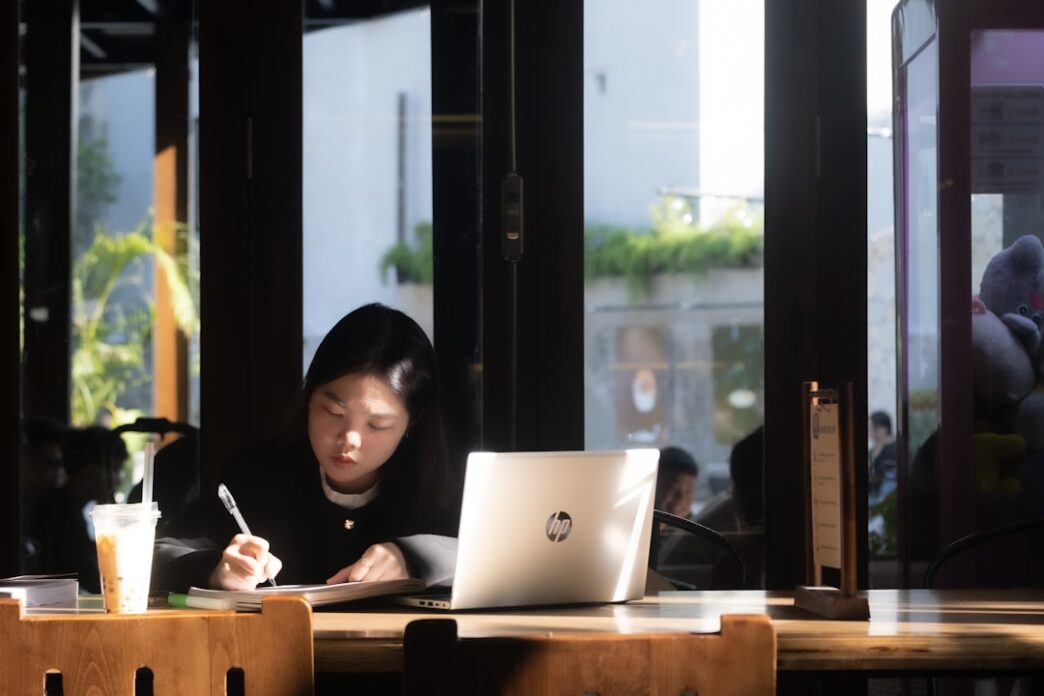
In the aftermath of the pandemic, a new breed of worker has emerged on the global stage: the digital nomad. With the ability to work from anywhere, these professionals are redefining not only where they work but also how economies function on a micro and macro scale. Countries eager to attract this mobile workforce are rethinking visa policies and tax regulations, creating a competitive landscape that resembles a global talent marketplace.
Take Portugal as a case in point. The nation, with its mild climate and vibrant culture, has become a magnet for remote workers. In 2021, the Portuguese government introduced a digital nomad visa, allowing foreigners to live and work in the country for up to one year. The immediate impact was palpable: a surge in monthly rentals, increased spending in local cafes, and a boost to the hospitality industry. According to a report by the Portuguese Tourism Board, there has been a 25% increase in tourist spending attributed to the influx of digital nomads.
However, while the economic benefits are evident, challenges arise. Local businesses, especially in tourist-heavy areas, face the risk of being overwhelmed by short-term rentals that cater to transient workers. This dynamic can drive up housing costs, pushing out local residents in favor of higher-paying visitors. Cities like Lisbon and Barcelona are grappling with this phenomenon, as the delicate balance between accommodating global talent and maintaining affordable living conditions for locals becomes increasingly strained.
On the flip side, countries like Thailand, which have long capitalized on their appeal to expatriates and travelers, are rolling out initiatives that extend beyond mere visa offerings. The Thai government is exploring tax incentives that would encourage digital nomads to not only reside but also invest in local ventures. This dual approach seeks to create a win-win situation where local economies thrive without compromising the quality of life for residents.
The implications are also felt in the realm of international trade. As digital nomads travel and work from different countries, they engage with local businesses, creating a unique form of economic interdependence. This cross-pollination of cultures and ideas can lead to increased innovation and entrepreneurship. For instance, several startups in Southeast Asia are actively catering to this emerging demographic, offering services that range from co-working spaces to specialized networking events.
Moreover, this trend reflects a seismic shift in workforce attitudes. Flexibility and work-life balance are now paramount for many professionals. In a recent survey conducted by Remote.co, over 70% of respondents indicated that they would consider relocating to another country if it meant better work conditions. As more individuals seek out environments that foster creativity and well-being, labor markets must adapt or risk losing talent to more progressive regions.
Nevertheless, the digital nomad phenomenon is not without its skeptics. Critics argue that while the influx of remote workers can be beneficial, it may exacerbate existing inequalities and lead to a colonial-style economy where wealthy foreigners benefit at the expense of local populations. Policymakers must tread carefully, crafting regulations that ensure sustainable growth while safeguarding community interests.
As this movement gains momentum, it is evident that the digital nomad economy is more than just a passing trend; it is a harbinger of a transformed workforce landscape where borders blur, and opportunities are no longer defined by geography. The question remains: Can governments and communities strike a balance that nurtures growth while preserving the essence of local culture? The answer will shape the economic narrative for years to come.