Just south of the equator, in a small town in Colombia, a revolution is budding in the fields. Farmers are not just tending to crops; they are cultivating a new economic model—one that intertwines sustainability with profitability. As the world grapples with climate change and food security concerns, this shift toward sustainable agriculture is proving to be a game-changer, particularly in emerging markets where the stakes are high.
The Colombian government has made significant strides in promoting sustainable agricultural practices. One initiative, supported by the Food and Agriculture Organization (FAO), incentivizes farmers to adopt eco-friendly methods. This includes organic farming, agroforestry, and efficient water management. Rather than merely focusing on maximizing short-term yields, these farmers are now integrating practices that protect the environment and ensure long-term productivity. The result? A resilient agricultural sector capable of withstanding the pressures of climate change, while also boosting local economies.
Take for instance the case of Juan Pablo, a coffee farmer who transitioned to organic farming. With assistance from a local NGO, he learned to utilize organic fertilizers and implement crop rotation methods. This not only improved the quality of his coffee beans but also reduced reliance on imported chemical pesticides. As a result, his coffee fetched a higher price in both local and international markets. By embracing sustainable practices, Juan Pablo transformed his economic outlook, demonstrating a model that many in the region are replicating.
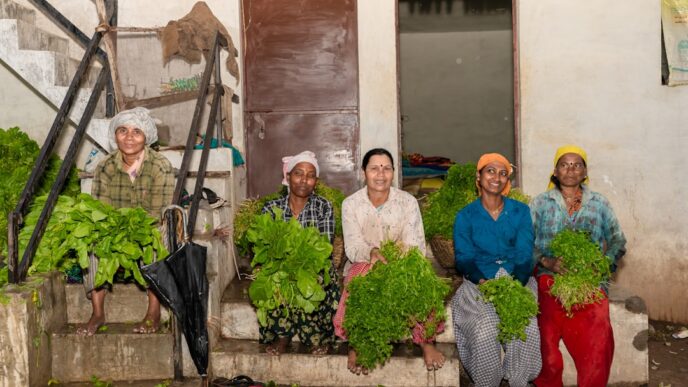
The ripple effects of this movement extend beyond individual farmers. A coalition of farmers has begun to leverage collective bargaining. By forming cooperatives, they are able to access bigger markets and negotiate better prices. These cooperatives also provide education and training, ensuring that sustainable practices are shared and adopted widely. For instance, the Asociación de Agricultores del Sur (AAS) has been pivotal in empowering local farmers, helping to boost incomes and improve overall community welfare.
Moreover, as global consumers become increasingly conscious of sustainability, the demand for ethically produced goods is soaring. Companies like Starbucks are integrating fair trade and organic certifications into their supply chains, further incentivizing farmers to adopt sustainable practices. This evolving consumer sentiment is fostering a new type of economic relationship, where sustainability and profitability are no longer at odds.
However, the path is not without its challenges. Transitioning to sustainable agriculture often requires upfront investments that many smallholder farmers cannot afford. Access to credit remains a significant barrier in rural areas. To address this, innovative financial products are emerging. For example, microfinance institutions in Colombia are beginning to offer tailored loans that cater specifically to farmers implementing sustainable practices. This financial inclusion is crucial in enabling more farmers to join the movement.
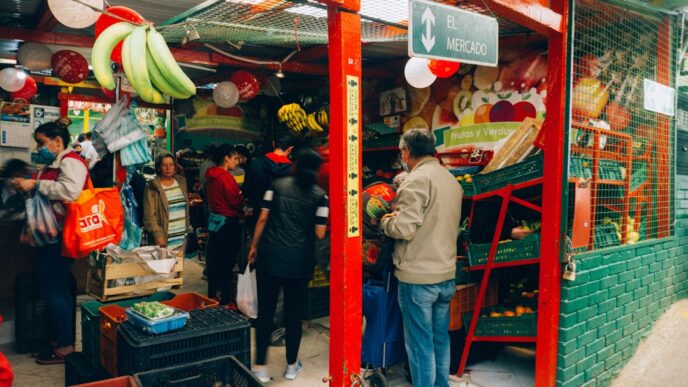
In parallel, the role of technology cannot be overstated. Agricultural apps that provide real-time data on weather, pest outbreaks, and market prices are becoming essential tools for farmers. Digital platforms are connecting them directly with consumers, thus reducing dependency on traditional intermediaries. The impact of technology on enhancing agricultural productivity and market access cannot be underestimated.
As we look toward the future, the narrative around sustainable agriculture in Colombia is not merely about food production; it is about economic transformation. By fostering an ecosystem that prioritizes sustainable practices, nurturing farmer cooperatives, enhancing access to credit, and embracing technology, this small nation offers a blueprint for others to follow.
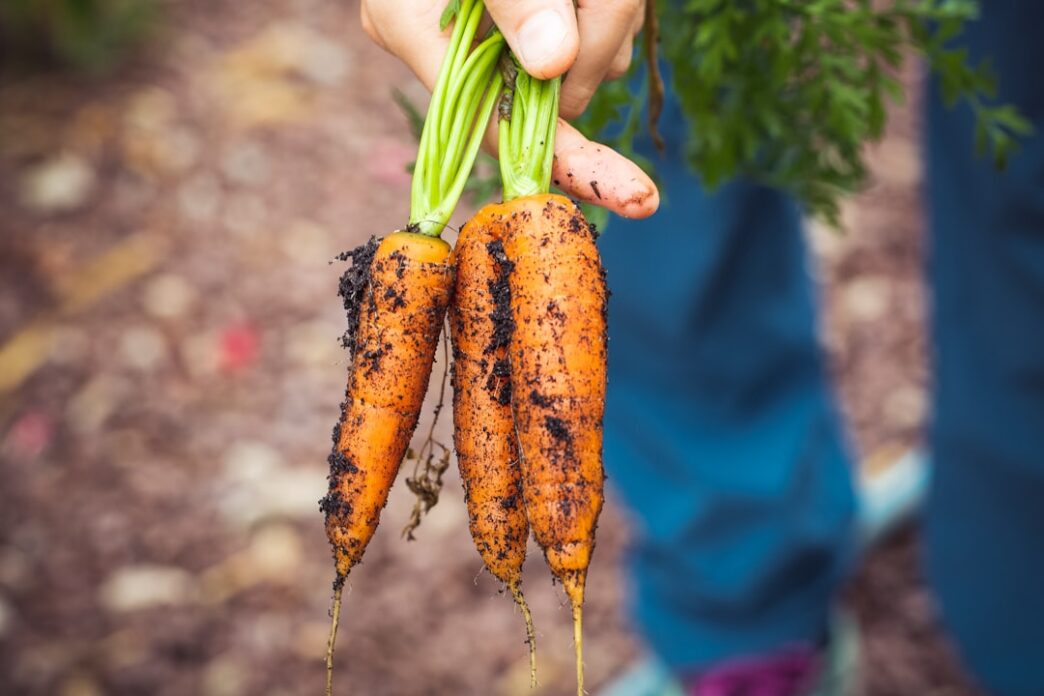
The green carrot is not just a symbol of environmental stewardship but a pathway to economic vitality, resilience, and a brighter future for emerging markets.