The recent surge in commodity prices has been alarmingly linked to climate change, reshaping how countries interact with agricultural sectors and raw materials. With weather patterns shifting unpredictably, nations with heavy reliance on commodities are grappling with the volatility that ensues. For example, Brazil, a major exporter of soybeans and coffee, has witnessed how droughts can decimate harvests, leading to skyrocketing prices and exacerbating food insecurity domestically and abroad.
In a scenario reminiscent of the 1970s oil crisis, today’s economic landscapes are shifting under the weight of climatic unpredictability. The International Monetary Fund (IMF) has highlighted that extreme weather events could lead to a 20% rise in food prices by 2030 if current trends continue. This isn’t just a theoretical concern; it’s a wake-up call for policymakers who have historically treated commodity markets as insulated from environmental factors.
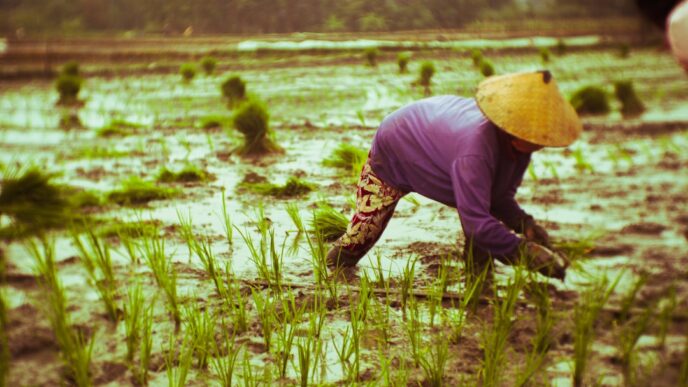
Take the agriculture sector in Kenya, for instance. A country that has been heavily dependent on its tea and horticulture exports has faced challenges due to unpredictable rainfall and rising temperatures. As these conditions wreak havoc on crop yields, the Kenyan economy finds itself in a precarious position. The government has had to pivot its economic policies, investing in climate-resilient agriculture, but the immediate effects on commodity prices continue to ripple through the economy.
While investors typically look to emerging markets as a place for growth, the increasing volatility tied to climate change is raising red flags. The World Bank has recently revised its forecasts for growth in agricultural commodities, projecting slower rates for regions that are most vulnerable to climate-related disruptions. Such predictions have implications beyond immediate price changes; they alter investment strategies, affecting everything from local farmers to multinational corporations.
In the financial technology arena, new platforms are emerging to help farmers hedge against the risks posed by climate change. For example, companies like AgriDigital are developing blockchain-based solutions that allow producers to trade commodities more efficiently, while also securing better pricing through predictive analytics. This technology-driven approach aims to stabilize incomes for farmers in developing regions, but it necessitates significant initial investment and education.
Furthermore, international trade agreements are now coming under scrutiny as countries push for more sustainable practices. The European Union’s Green Deal, which aims to make Europe the first climate-neutral continent by 2050, directly impacts trading partners dependent on carbon-intensive commodities. Nations like Indonesia, which has relied on palm oil exports, are finding themselves needing to adapt to stricter environmental regulations, impacting their economic viability.
The interconnectedness of climate change and commodity pricing is an evolving narrative that economists must now weave into their analyses. Emerging markets face the dual challenge of adapting to a rapidly changing climate while sustaining economic growth. As prices fluctuate and policies adapt, the global community must prepare for a new economic paradigm shaped by environmental realities.
Understanding these dynamics is no longer optional; it’s essential for anyone looking at the future of trade, investment, and economic stability. The stakes are high, and the window for action is closing. The ongoing transformation of commodity markets due to climate change is not just an isolated issue—it is the economic story of our time.