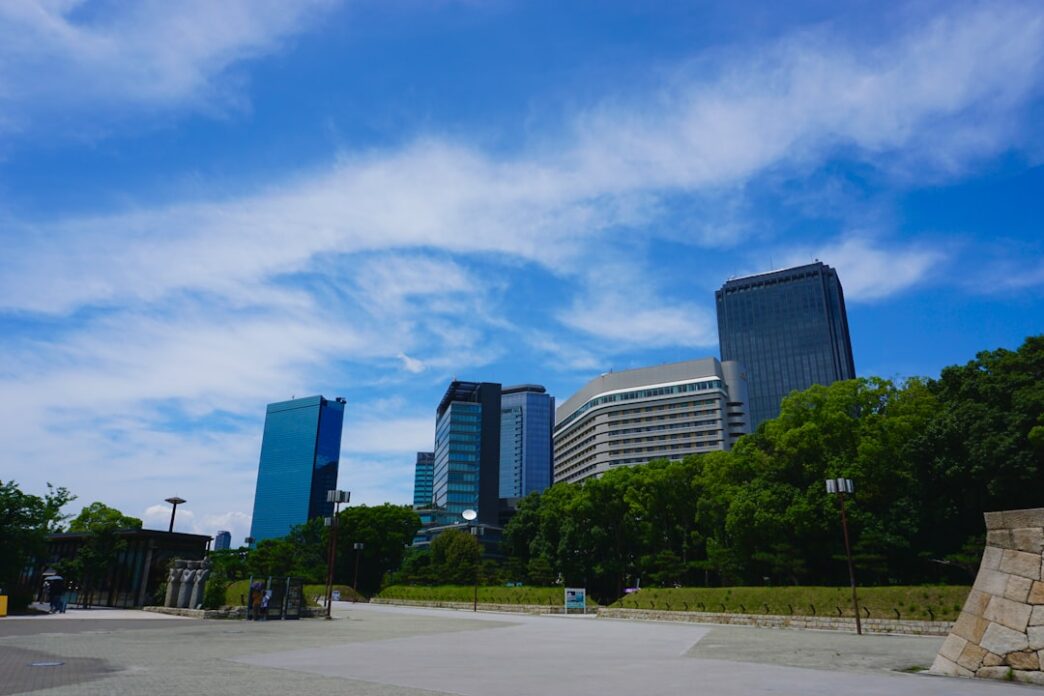
In the bustling streets of Tokyo, a quiet revolution is taking place—one that could reshape how nations think about waste management and resource utilization. Japan, long renowned for its technological advancements, is now at the forefront of the circular economy movement, a paradigm shift that goes beyond mere recycling to rethinking the entire lifecycle of materials.
The concept of a circular economy is rooted in the idea of minimizing waste and making the most of resources. Traditional linear models—take, make, dispose—have led to unsustainable practices, leaving a trail of environmental degradation. Japan has recognized that to combat this issue effectively, a cultural and systemic change is necessary. In recent years, the government has rolled out policies aimed at fostering a circular economy, encouraging businesses to innovate and adopt sustainable practices.
One notable initiative is the “Circular Economy Vision” set forth by Japan’s Ministry of the Environment. This policy outlines specific targets, such as reducing plastics usage and promoting recycling technologies. The government has also incentivized companies to invest in green technologies, paving the way for a new industry dedicated to upcycling. These efforts are not merely altruistic; they are an economic strategy designed to stimulate growth and competitiveness in a shifting global landscape.
For instance, consider the case of the electronics giant Panasonic. The company has embraced the circular economy by committing to using recycled materials in the production of its products. In doing so, Panasonic not only reduces its environmental footprint but also ensures a stable supply chain less dependent on raw materials, which can be volatile in price and availability. By integrating sustainability into its business model, Panasonic enhances its brand appeal and aligns with the growing consumer demand for environmentally friendly products.
Moreover, Tokyo’s waste management system stands as a model for urban centers around the world. The city has implemented a detailed sorting system, allowing residents to separate their waste into categories such as burnable, non-burnable, and recyclable. This meticulous approach has led to a recycling rate exceeding 20%, a figure that continues to climb as innovations in waste processing emerge. Companies are now exploring partnerships with waste management firms to recover valuable materials, creating a closed-loop system that benefits both parties financially and environmentally.
On a community level, grassroots movements have also sprung up to support circularity. Local initiatives, such as repair cafes, encourage residents to fix instead of discard items, fostering a culture of sustainability. These cafes, which have gained traction in various neighborhoods, provide resources and workshops to repair everything from electronics to clothing, reducing waste and promoting resourcefulness.
However, challenges persist. Transitioning to a circular economy requires significant investment in research, infrastructure, and education. Some businesses remain hesitant, fearing the costs associated with overhauling existing practices. Additionally, the complexities of global supply chains often complicate the implementation of circular principles.
Despite these hurdles, Japan’s proactive approach to embracing circular economies serves as a compelling case study for other nations looking to innovate in sustainability. By prioritizing resource efficiency, reducing waste, and fostering a culture of responsibility, Japan is not only addressing pressing environmental issues but is also cultivating new economic opportunities. The world is watching closely, as what unfolds in Japan may well illustrate the pathways emerging economies can take in navigating the challenges of the 21st century.