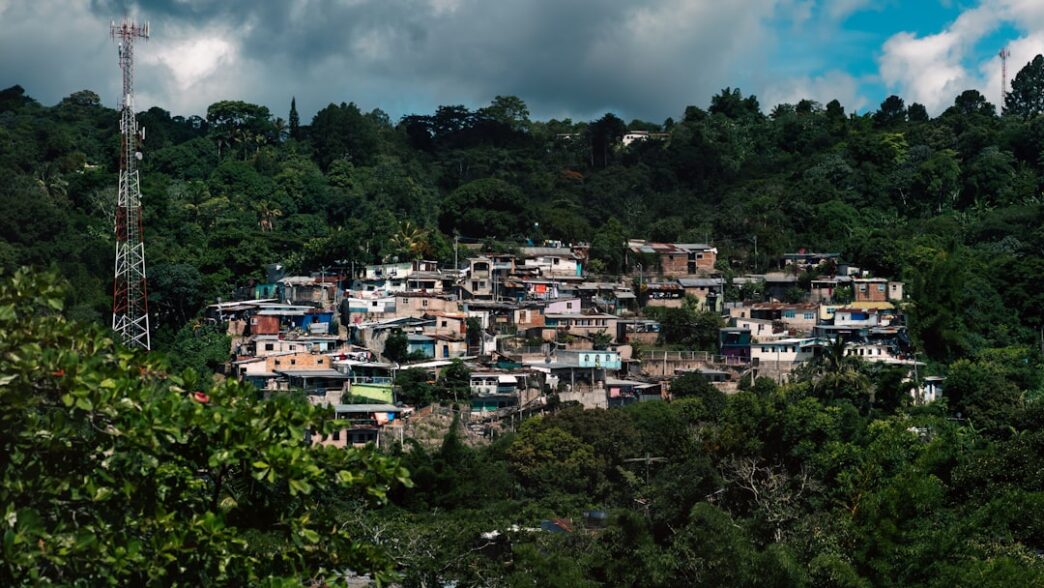
In the heart of Central America, El Salvador stands as a unique case study for the potential—and pitfalls—of adopting cryptocurrency as legal tender. The 2021 decision to embrace Bitcoin sent ripples through the financial world, with observers closely monitoring how this audacious experiment would play out.
At first glance, the allure of Bitcoin for a country like El Salvador, with a significant portion of its economy reliant on remittances, was compelling. Traditional banking systems often impose hefty fees for overseas money transfers, a burden that affects millions of Salvadorans living abroad. Bitcoin promised lower transaction costs and faster transfers, potentially revitalizing local economies and providing financial inclusion to those previously marginalized by the banking sector.
However, the reality has been far from straightforward. Despite President Nayib Bukele’s optimistic projections, the integration of Bitcoin into everyday transactions has met with skepticism and resistance. A significant segment of the population remains wary of a currency notorious for its volatility. The initial spike in Bitcoin’s value, followed by dramatic swings, further complicated the situation. Many consumers are reluctant to engage with a currency that could drastically fluctuate in value overnight.
The government’s push to instill confidence in Bitcoin involved several strategies, including the establishment of the “Chivo Wallet,” designed to facilitate transactions in the cryptocurrency. Initial uptake was steady, with the government distributing $30 in Bitcoin to citizens who signed up for the app. However, actual usage remained lackluster, as many opted to convert their Bitcoin back into U.S. dollars—El Salvador’s primary currency—almost immediately to circumvent the risk associated with price volatility.
By December 2021, reports indicated that nearly 80% of Salvadorans had never used Bitcoin for transactions. A survey conducted by the Central American University revealed stark opposition among the populace, with many expressing a lack of trust in the government’s handling of the initiative and a preference for the stability of the U.S. dollar.
International scrutiny of El Salvador’s Bitcoin strategy has also intensified. The International Monetary Fund (IMF) has voiced concerns about the potential risks to the country’s financial stability, warning that Bitcoin adoption could exacerbate issues such as money laundering and financial volatility. Despite these warnings, Bukele remains steadfast, framing the move as a bold step toward technological advancement and economic independence.
Several businesses, particularly those in the tourism sector, have embraced Bitcoin, advertising their willingness to accept the cryptocurrency. However, these instances are often the exception rather than the rule. Many local businesses continue to operate primarily in dollars, and the lack of widespread infrastructure—such as reliable electricity and internet for digital transactions—poses additional challenges.
As El Salvador navigates this uncharted territory, its experience offers valuable lessons for other nations considering similar paths. The intersection of traditional economics with emerging technologies is fraught with uncertainty, but it also presents opportunities for innovation. The world watches closely, perhaps seeing in El Salvador both a cautionary tale and a vision of what future economies might look like in an increasingly digital landscape.