
As nations grapple with the dual challenges of climate change and population growth, the future of food security is increasingly influenced by technology and innovative policies. The potential for agricultural technology to transform food systems is colossal, yet it raises a critical question: are we adapting quickly enough to harness these advancements effectively?
Countries like India, where over 60% of the population is dependent on agriculture, are at the forefront of this transformation. The Indian government has initiated several policies to leverage technology in agriculture, such as the Digital Agriculture Mission. This initiative aims to integrate data analytics, IoT, and AI into farming practices, potentially revolutionizing yield and efficiency.
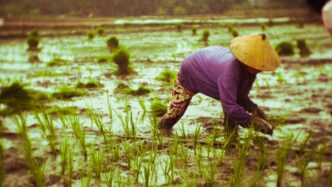
However, the optimism surrounding technological solutions is tempered by a stark reality: access to these innovations is uneven. Smallholder farmers, who make up the backbone of agricultural production in many developing nations, often lack the resources to adopt new technologies. Access to the internet, capital, and training are significant hurdles. Without targeted efforts to bridge these gaps, the risk of exacerbating existing inequalities looms large.
In response, organizations like the International Fund for Agricultural Development (IFAD) are championing inclusive policies. IFAD’s recent initiatives focus on empowering women farmers and providing training for sustainable farming techniques, ensuring that technological advancements benefit all agricultural stakeholders rather than a select few. Their approach highlights the importance of not just introducing technology, but creating an ecosystem that supports its adoption across various socio-economic strata.
On the supply chain front, the pandemic exposed vulnerabilities that have profound implications for food security. Container shortages, transport disruptions, and labor market fluctuations led to increased food prices and, in some cases, severe shortages. Countries like Brazil and Vietnam, major agricultural exporters, faced immense pressure to balance domestic needs against international demand. The situation prompted a reevaluation of supply chains, advocating for more localized food systems that prioritize resilience over efficiency.
Moreover, sustainability has emerged as a crucial component of food security discussions. The need to address the environmental impacts of traditional farming practices has led to a surge in interest around regenerative agriculture. Initiatives such as “Agroforestry for Climate Resilience” are gaining traction, with farmers being encouraged to adopt practices that restore soil health while sequestering carbon. The synergy between sustainability and technology could provide a dual solution to both food security and environmental concerns.
Despite the potential of these innovations, the role of policy cannot be overlooked. Governments must create and enforce frameworks that encourage responsible investment in agricultural technology while ensuring that its benefits are equitably distributed. Regulations must evolve to accommodate the rapid changes in this sector, promoting fair competition and protecting small-scale producers from being outpaced by agribusiness giants.
The interplay of technology and policy in shaping food security is a dynamic landscape that requires ongoing adaptation. As nations navigate this complex terrain, the commitment to inclusivity and sustainability will be vital in ensuring that future generations have access to adequate and nutritious food. The path forward hinges on collaboration among stakeholders—governments, private sector players, non-profit organizations, and farmers themselves—to build a resilient food system that can withstand both current challenges and those yet to come.