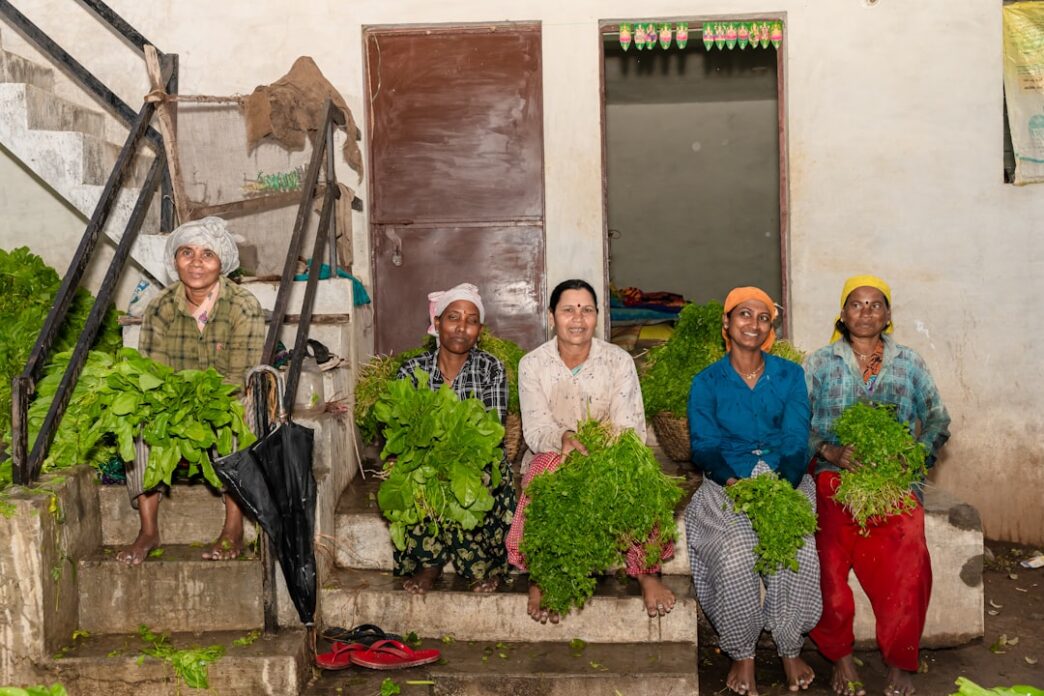
In the heart of many bustling cities, an agricultural movement is sprouting—quite literally. Urban agriculture is not merely a trend; it’s a response to escalating food insecurity, rising living costs, and a growing demand for sustainable practices. Various cities worldwide are witnessing a renaissance in farming, where rooftops and vacant lots are transformed into green spaces that yield fresh produce. This shift is reshaping local economies in profound ways.
Take Detroit, for instance. Once a manufacturing powerhouse, the city has faced significant economic challenges. However, initiatives like the Detroit Black Community Food Security Network are fostering urban farming to combat food deserts. By turning neglected land into productive gardens, these projects generate local jobs, enhance food sovereignty, and empower community members. In 2022 alone, it was reported that urban farming efforts in Detroit created over 300 new jobs, offering vital employment opportunities in areas where unemployment rates hovered around 10%.
Consider also Singapore, a city-state that has embraced innovative agricultural practices due to its limited land availability. The Singapore Food Agency launched the “30 by 30” initiative, aiming to produce 30% of its nutritional needs locally by 2030. Vertical farms and hydroponic systems are on the rise, employing cutting-edge technology to maximize yield in confined spaces. This approach not only reduces reliance on food imports—currently at 90%—but also enhances the resilience of the local economy against global supply chain disruptions.
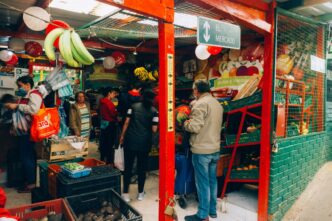
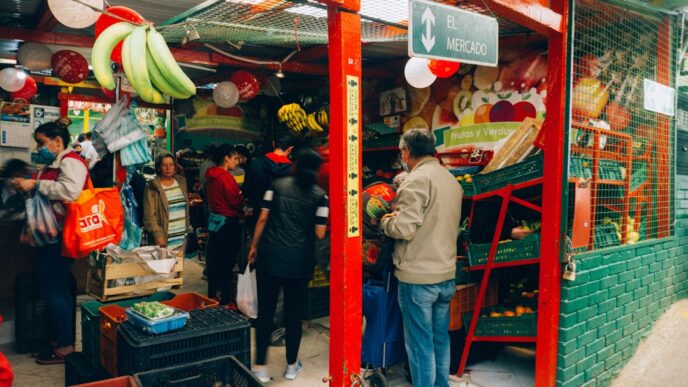
Urban agriculture is not just about producing food; it is also a catalyst for economic diversity. Restaurants and local businesses are beginning to capitalize on fresh produce sourced from nearby farms, fostering a farm-to-table movement that supports local economies. In New York City, for example, businesses like Greenmarket connect local farmers to restaurants, ensuring that fresh ingredients are available while bolstering the incomes of those who grow them.
However, this movement is not without its challenges. The regulatory environment can be a significant hurdle. In many cities, zoning laws and building codes fail to accommodate agricultural activities, stifling the potential for urban farms to flourish. Advocates argue for policy changes that would simplify the process, allowing more residents to engage in agricultural practices. Cities like Toronto are leading the charge by introducing “urban agriculture strategies” that provide guidelines and support for aspiring urban farmers.
Moreover, the economic benefits extend beyond mere food production. Urban farms can help mitigate the urban heat island effect, improve air quality, and foster community cohesion. By creating green spaces, cities can enhance the quality of life for residents, making urban living more attractive and promoting further economic activity.
The urban agriculture movement is more than a response to food insecurity; it represents a holistic approach to building resilient local economies. By investing in sustainable practices, cities can empower communities, create jobs, and reduce their environmental footprint. As more urban centers recognize the multifaceted benefits of agricultural initiatives, a new chapter in economic development is unfolding—one that prioritizes sustainability, community, and resilience.