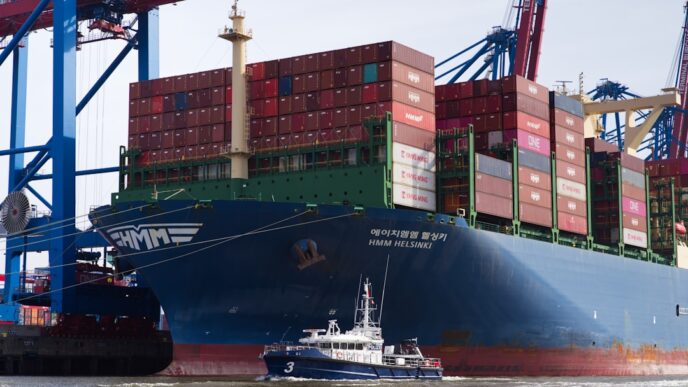

Exchange rates play a crucial role in shaping international trade dynamics. They determine how much of one currency you can exchange for another, which directly influences the prices of imported and exported goods. A strong currency makes imports cheaper and exports more expensive, while a weak currency has the opposite effect.
When a country’s currency appreciates, it can lead to a trade deficit. For example, if the U.S. dollar strengthens against the euro, American goods become more expensive for European buyers, potentially decreasing the demand for U.S. exports. Conversely, European goods become cheaper for U.S. consumers, which may increase imports. This shift can negatively affect domestic producers who must compete with cheaper foreign alternatives.
On the flip side, a depreciating currency can boost exports. Consider Japan during the 2010s when the yen weakened significantly. Japanese goods became more affordable for international markets, which helped increase exports and supported the economy. However, this scenario also poses risks, such as inflation from increased import costs, which can lead to higher prices domestically.
Several factors influence exchange rates:
– **Interest Rates:** Higher interest rates offer lenders in an economy a higher return relative to other countries. As a result, foreign capital will flow into that economy, causing the currency to appreciate.
– **Inflation Rates:** A lower inflation rate in a country compared to others can increase that country’s currency value as purchasing power increases.
– **Political Stability and Economic Performance:** Countries with less risk for political turmoil are more attractive to foreign investors, boosting demand for their currency.
Real-world examples illustrate these points well. The 2016 Brexit referendum created significant volatility in the British pound. Following the vote, the pound depreciated sharply against major currencies, making British exports cheaper and boosting sectors like tourism and manufacturing. However, this also came with rising import costs, leading to inflation and affecting consumers’ purchasing power.
Policy decisions by central banks, such as the U.S. Federal Reserve or the European Central Bank, can also affect exchange rates. For instance, if the Fed raises interest rates, it may lead to a stronger dollar, impacting U.S. trade balances. On the other hand, quantitative easing practices, where central banks increase money supply, can lead to a weaker currency as seen in the post-2008 financial crisis.
In summary, the relationship between exchange rates and international trade is intricate and multifaceted. Businesses engaged in export and import must stay vigilant about currency fluctuations, employing strategies such as hedging to mitigate risks. Understanding these dynamics can help companies make informed decisions, ensuring they remain competitive in the global market.