
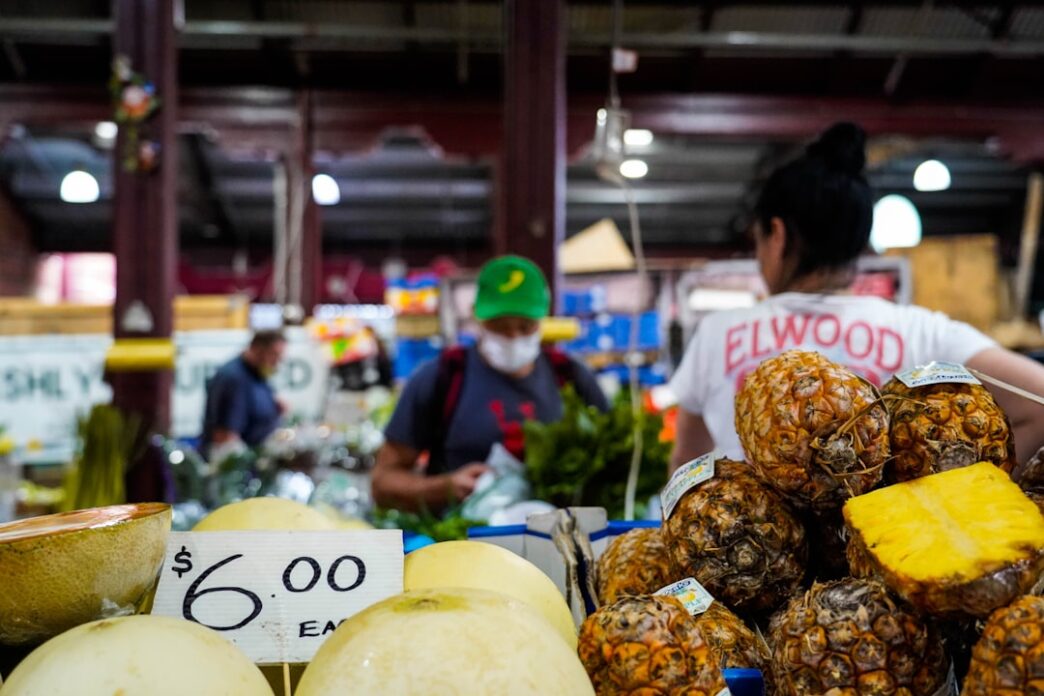
Tariffs, which are taxes imposed on imported goods, can lead to higher consumer prices. When a country raises tariffs, it increases the cost of imported products, making them more expensive for businesses and, ultimately, consumers. For example, when the United States imposed tariffs on steel and aluminum imports in 2018, domestic producers faced fewer foreign competitors. However, this action also raised the prices of goods that relied on these metals, like cars and appliances, leading to higher costs for consumers.
Higher tariffs can also influence inflation. As imported goods become pricier, manufacturers may pass these costs onto consumers, contributing to an overall rise in prices. The Bureau of Labor Statistics reported that the tariffs imposed during trade tensions with China were a contributing factor to the inflation observed in subsequent years. While protectionist measures can aim to support local industries, they can inadvertently trigger inflationary pressures that affect the entire economy.
Additionally, tariffs can disrupt supply chains and impact businesses. Companies that rely on imported materials can face increased operational costs, which might lead them to cut back on production or even lay off workers. For instance, the US-China trade war not only raised prices for consumers but also caused uncertainty for businesses reliant on global supply chains, prompting some to rethink their sourcing strategies. This shifting landscape can have long-lasting effects on economic growth and job creation.
In assessing the broader impacts, the specific sectors affected by tariffs often include agricultural products, electronics, and various consumer goods. While some local industries may benefit from reduced foreign competition, the overall economic landscape can suffer due to reduced choices for consumers and increased prices. The balance between protecting domestic jobs and maintaining competitive pricing for consumers is a critical point of contention in trade discussions.
Ultimately, while tariffs can serve as a tool for protecting domestic industries, the repercussions for consumer prices and the economy can be significant and multi-faceted. Understanding these dynamics is essential for grasping how trade policies affect everyday life.