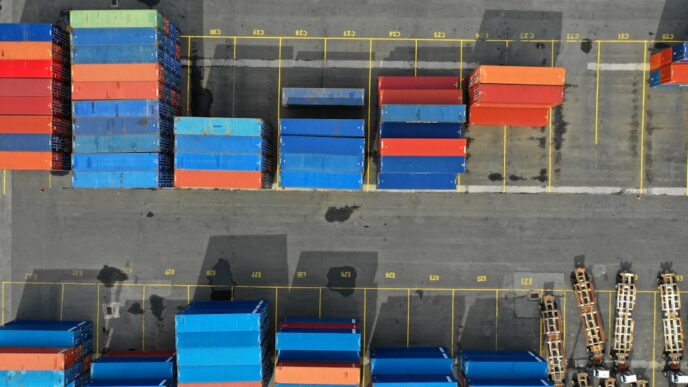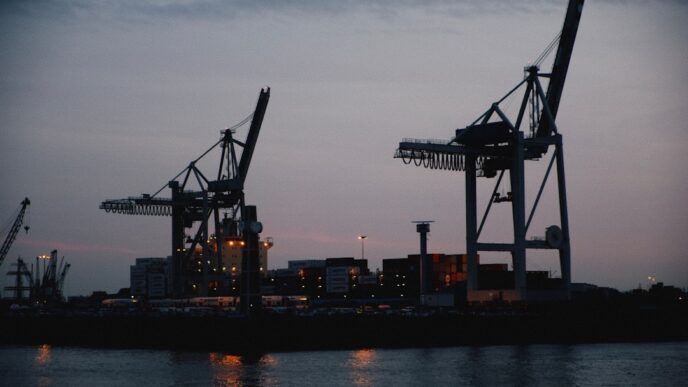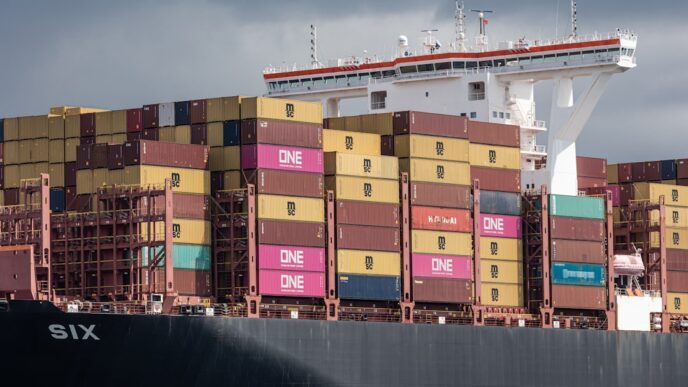
Tariffs are taxes imposed on imported goods, and they can have a significant impact on consumer prices and the overall economy. When a government raises tariffs on foreign products, it makes those products more expensive for consumers. This often leads to higher prices for goods in the domestic market as manufacturers may pass on the increased costs to consumers. For instance, when the United States imposed tariffs on steel and aluminum in 2018, many industries that relied on these materials, such as automotive and construction, faced increased costs, which were eventually transferred to consumers through higher prices.
The direct effect of tariffs can also create a ripple effect within the economy. Higher prices for imported goods can diminish consumers’ purchasing power, leading them to either reduce their spending or shift their preferences to cheaper domestic alternatives. While this might initially boost local production, it can also result in inefficiencies where consumers pay more for lower-quality goods, as domestic industries might not face the same competitive pressures as when tariffs are absent.
Over time, the increase in consumer prices can contribute to inflationary pressures in the economy. For example, economists noted that the tariffs imposed during the U.S.–China trade war contributed to rising inflation rates in the U.S. economy. In fact, after these tariffs were enacted, inflation rates reached levels not seen in decades, affecting everything from food prices to electronics.
Moreover, tariffs can lead to retaliatory measures from other countries, impacting trade relationships. Countries affected by these tariffs may respond by imposing their own tariffs on exports from the imposing country, resulting in a trade war. This can further complicate the economic landscape, as businesses face uncertainty and may delay investments or hiring decisions due to fluctuating trade policies.
It’s also crucial to consider the long-term implications of tariffs. While they might protect certain industries in the short term, they can stifle innovation and competitiveness. Companies may become reliant on tariff protection instead of improving efficiency or investing in new technologies. Over time, this can lead to a less dynamic economy and higher prices for consumers, as domestic producers may not have the same incentive to innovate.
In summary, tariffs can significantly influence consumer prices and the broader economy. By making imported goods more expensive, they affect purchasing behavior and can lead to inflation. Additionally, the potential for retaliatory tariffs and long-term market inefficiencies creates a complex situation for both consumers and producers. Understanding these dynamics is essential for navigating the impacts of trade policies on the economy.