When a country raises tariffs on imported goods, it directly affects the prices of those goods in the domestic market. Tariffs are essentially taxes imposed on imports, making foreign products more expensive for consumers. This can lead to higher prices for goods that rely on foreign suppliers, which can, in turn, influence consumer purchasing decisions.
For example, consider the tariffs the United States imposed on steel and aluminum in 2018. These tariffs were designed to protect domestic industries by making foreign steel and aluminum more expensive. As a result, companies that relied on these materials for production faced increased costs. This often led to higher prices for products like cars and appliances, where steel and aluminum are significant components.
Consumers, faced with higher prices, may shift their buying habits. They might opt for cheaper alternatives, look for domestic products, or even delay purchases. This shift can have a ripple effect throughout the economy, impacting domestic producers who may not have the capacity to meet increased demand for local products.
Tariffs also influence supply chains and can lead to shortages if domestic producers cannot ramp up production to meet demand. Companies may need to adjust their pricing strategies, leading to inflationary pressures in other sectors. If consumers see that prices are rising across the board, they may reduce spending, which can slow down overall economic growth.
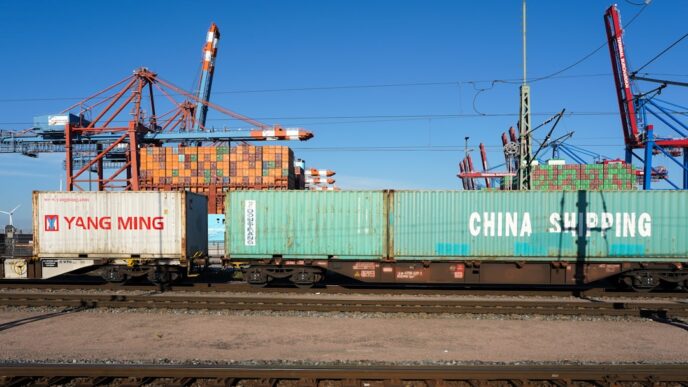
Additionally, the impact of tariffs extends beyond prices. They can strain international relations and lead to retaliatory measures from other countries. When one country raises tariffs, others may respond in kind, leading to a trade war. The U.S.-China trade tensions of recent years serve as a prime example. Both nations implemented tariffs on each other’s goods, which created uncertainty in global markets and affected businesses and consumers alike.
In summary, raising tariffs has immediate effects on domestic prices, consumer choices, and broader economic dynamics. While the intention may be to protect local industries, the consequences can lead to higher costs for consumers, altered buying patterns, and potential economic retaliation from trading partners. Understanding these dynamics is crucial for consumers and businesses navigating an increasingly interconnected global marketplace.