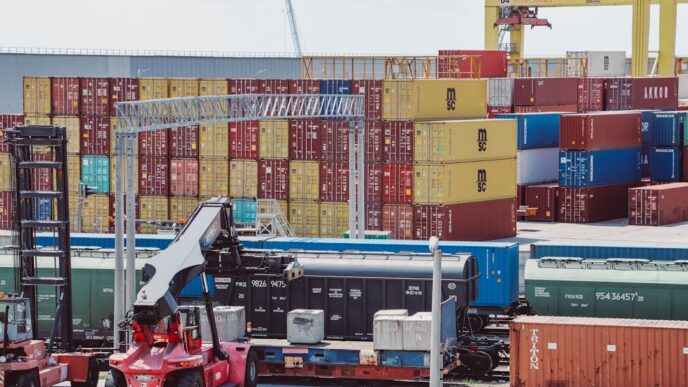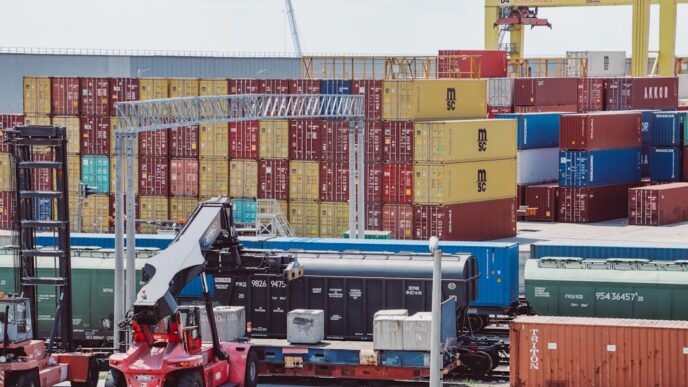
Tariffs are essentially taxes imposed on imported goods, and they significantly influence both international trade dynamics and domestic economies. When a country raises tariffs, it typically aims to protect local industries by making foreign products more expensive. This can lead to decreased imports and potentially benefit domestic producers as consumers turn to local alternatives. However, the broader economic implications can be complex and sometimes counterproductive.
For example, when the United States implemented tariffs on steel and aluminum in 2018, the intent was to boost American manufacturing. Initially, this led to a surge in domestic steel prices, which helped some U.S. steel producers. However, the higher costs also rippled through industries reliant on these metals, such as automotive and construction. As a result, manufacturers faced increased operational costs, which could lead to higher prices for consumers and even job losses in sectors that could not absorb these costs.
In the short term, increased tariffs can lead to a reduction in trade deficits, as domestic products become more competitive against imports. However, this protectionist strategy can provoke retaliation from trading partners. Countries affected by tariffs may impose their own tariffs, leading to a trade war. The trade conflict between the U.S. and China is a notable example; when the U.S. raised tariffs on Chinese goods, China reciprocated, leading to a significant decline in trade volumes and economic uncertainty.
There are broader economic ramifications to consider. Tariffs can distort market dynamics, leading to inefficiencies. They can protect less efficient domestic industries while punishing consumers with higher prices. Economists often argue that these protective measures result in a net loss to the economy. For instance, the Peterson Institute for International Economics estimated that the tariffs on Chinese goods cost American households an average of $1,000 annually due to higher prices.
Additionally, tariffs can impact global supply chains. Many companies have built intricate networks that span multiple countries. A tariff can complicate these relationships, forcing companies to rethink their sourcing strategies and potentially leading to further increases in costs. As an example, a manufacturer sourcing parts from multiple countries may find that rising tariffs on imports disrupt production schedules and affect overall profitability.
In summary, while tariffs can serve as protective measures for domestic industries, they often come with significant trade-offs. The immediate benefits of shielding local businesses can be overshadowed by increased consumer prices, potential job losses in other sectors, and strained international relations. Businesses and policymakers must weigh these factors carefully when considering tariff impositions. The balance between protection and free trade remains a contentious and pivotal issue in economic policy discussions.