
In a world that’s rapidly digitizing, the echoes of ancient trade routes are being revived in unexpected ways. The concept of the “Digital Silk Road” is emerging as a new framework for understanding trade dynamics between Asia and Europe, linking countries through the vast and intricate web of e-commerce.
A pivotal player in this transformation is Alibaba, the Chinese e-commerce giant that has been working tirelessly to enhance cross-border trade. With its platforms simplifying international sales for small and medium-sized enterprises (SMEs), Alibaba has effectively lowered barriers, allowing businesses from emerging markets to reach customers across continents. For instance, an artisan in Vietnam can now sell handcrafted goods to customers in Italy with just a few clicks, bypassing traditional trade hurdles.
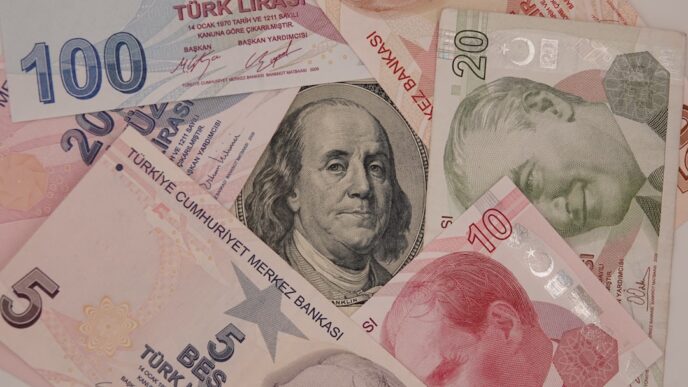
Take Turkey as a case study. The country has increasingly positioned itself as a bridge between the East and West, both geographically and economically. Turkish textiles have found new markets through digital platforms, and as a result, exports to European nations have surged. The Turkish government is encouraging this trend by investing in digital infrastructure, thus aligning domestic policies with the needs of a burgeoning digital economy.
However, this booming e-commerce landscape isn’t without its challenges. Regulatory discrepancies remain a significant hurdle. Different countries have varied approaches to data privacy, customs tariffs, and consumer protection, which can complicate transactions and deter potential sellers from engaging internationally. For example, a small online retailer in Poland may hesitate to ship products to China due to concerns about intellectual property rights and compliance with local e-commerce regulations.
Despite these challenges, the rise of digital payment systems is helping to smooth out these inconsistencies. Organizations like PayPal and Stripe are streamlining transactions, providing businesses with more choices when dealing with cross-border payments. This not only fosters a more secure trading environment but also builds consumer trust—an essential element in the digital marketplace.
The ripple effects of this digital trade renaissance extend beyond mere economics. Culturally, it fosters a greater exchange of ideas and products, encouraging a more interconnected world. A small bakery in Spain can now easily source matcha from Japan, while a café in Malaysia can offer French pastries, all thanks to the ease of online procurement.
Yet, as with all shifts in commerce, there is a risk of widening economic divides. Larger corporations may dominate online marketplaces, crowding out smaller players who struggle to compete on price or visibility. This could catalyze a new form of economic inequality, where only a handful of companies thrive in the digital ecosystem while countless others falter.
To counter this, some governments are exploring innovative policies aimed at supporting local businesses. For instance, the European Union is considering digital trade agreements that would provide SMEs with financial incentives for engaging in cross-border e-commerce, aiming to ensure that the benefits of the Digital Silk Road are more equitably distributed.
As the contours of this new trade paradigm continue to evolve, it prompts a reevaluation of traditional economic models. The rise of the Digital Silk Road is not merely a trend; it is a transformative force reshaping how we conceive of trade, culture, and interaction in an increasingly interconnected world. The path forward requires vigilance, adaptability, and above all, a commitment to inclusivity to ensure that this digital renaissance benefits all.