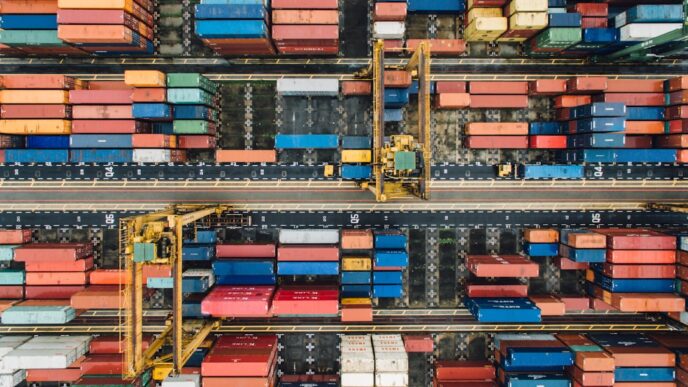

The contours of global trade are being redefined by an unexpected force: e-commerce. In Asia, a region characterized by its rich tapestry of cultures and economies, the digital marketplace is not just a trend but a transformative element reshaping trade relations. The rise of the so-called “Digital Silk Road” exemplifies how technology can bridge gaps, fostering economic collaboration in ways traditional trade routes never could.
Countries like China, Japan, and India are at the forefront of this movement, embracing e-commerce not merely as a means of commerce but as a strategic tool for international diplomacy. The Belt and Road Initiative (BRI), spearheaded by China, is not limited to physical infrastructure; it includes a digital component aimed at enhancing connectivity through online platforms. By facilitating trade among nations, the BRI is effectively knitting together a network of digital economies.
Take the case of Alibaba, a titan of e-commerce, which has expanded its reach beyond China’s borders. The company’s logistics network allows businesses in Southeast Asia to access Chinese consumers, effectively lowering barriers to entry for local entrepreneurs. This is not just beneficial for Chinese companies; it encourages economic growth throughout the region. For instance, small retailers in Malaysia can now sell their products to a vast Chinese market, transforming local businesses and boosting incomes.
However, this digital trade revolution is not without its challenges. Regulatory hurdles across different countries often stymie the seamless flow of goods and services. For example, India’s recent tightening of e-commerce regulations has raised concerns among foreign companies about market access. Nevertheless, the potential for economic integration remains high. In a recent analysis by the Asian Development Bank, it was reported that e-commerce could contribute an additional $1 trillion to the region’s GDP by 2030, provided that the policy environment encourages innovation and cross-border cooperation.
The tech-savvy youth in countries like Vietnam and the Philippines are also leveraging platforms like Shopify and Etsy to enter the global marketplace. Their agility in adopting digital tools contrasts sharply with older, more traditional sectors that haven’t adapted. This generational shift is leading to a reallocation of resources and talent, fostering a new wave of entrepreneurs who are driving economic development in their communities.
A critical aspect of this transition is the role of digital payment systems. Innovations such as Alipay and WeChat Pay have significantly streamlined transactions, making it easier for consumers and businesses to engage in cross-border trade. These systems not only enhance transaction efficiency but also build trust in the digital economy, which is crucial for encouraging participation from smaller businesses.
However, the Digital Silk Road is not just about economic gains. It has implications for cultural exchange and collaboration. As businesses from different countries interact, they inevitably share ideas and practices, leading to a more interconnected region. This cultural exchange can foster understanding and reduce geopolitical tensions, which is particularly important in Asia, where historical rivalries often complicate economic relations.
While the future of the Digital Silk Road is promising, it is essential for policymakers to navigate the complex landscape of regulation, infrastructure, and cultural nuances carefully. The opportunity exists to create a more integrated, digital-first economy that benefits everyone involved—if the right policies are put in place. Emerging economies can no longer afford to overlook the potential of e-commerce; they must embrace it as a critical driver for sustainable growth and development.