In an era where geographical boundaries are increasingly blurred by technology, the concept of the Silk Road is experiencing a modern renaissance. The Digital Silk Road, championed by China’s Belt and Road Initiative (BRI), is redefining international trade through e-commerce platforms, radically altering how countries engage economically.
China’s e-commerce giant, Alibaba, has been at the forefront of this movement. With its platforms facilitating trade between manufacturers in Asia and consumers around the globe, Alibaba is not just a company; it represents a pivotal point in how goods traverse borders. The company has strategically invested in logistics and digital infrastructure across various countries as part of its ambition to create a seamless shopping experience. This mirrors the ancient Silk Road, which served as a conduit for the exchange of goods, culture, and ideas.
Take Uzbekistan, for example. The country, rich in silk and spices centuries ago, is now positioning itself as a logistical hub in Central Asia. UZEX, an online export platform, is designed to connect local producers with international buyers, echoing the traditional role of the Silk Road while leveraging modern technology. By simplifying the export process, UZEX aims to boost local economies, particularly in regions where traditional trade has been stunted by bureaucratic hurdles.
However, the rise of the Digital Silk Road is not without its challenges. Emerging markets like Uzbekistan often lack the robust digital infrastructure needed to fully capitalize on these opportunities. Internet penetration remains a hurdle, with only about 60% of the population online. This disparity raises questions about inclusivity, as regions less integrated into the digital economy risk being left behind.
Moreover, the geopolitical implications of this trade model cannot be ignored. The Digital Silk Road is perceived by some as an extension of China’s influence, raising concerns among Western nations about economic dependence. Countries like India and Japan are responding by promoting their own digital trade initiatives, aiming to offer alternative pathways for international commerce.
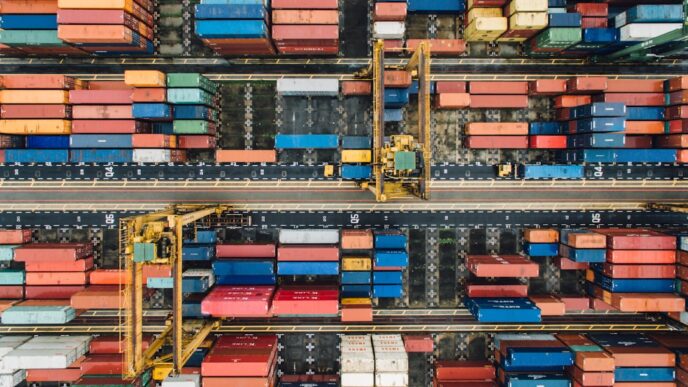
Diving deeper, the logistics sector plays a crucial role in this narrative. Shipping and delivery systems are being modernized to keep pace with the increasing demand for fast and efficient trade. Companies like JD Logistics are investing heavily in smart warehousing and delivery drones to ensure that products reach consumers quickly and efficiently. This technological shift not only enhances trade but also creates new job opportunities, albeit with a skill requirement that necessitates a workforce adept in digital literacy.
As we navigate this new landscape, there are also environmental considerations. Increased goods movement amplifies concerns about carbon footprints. E-commerce’s rapid growth has led to a steep increase in packaging waste and logistics emissions. Platforms like Alibaba are responding by investing in green logistics solutions, such as electric delivery vehicles and efficient packaging designs.
The Digital Silk Road exemplifies the paradox of progress in the contemporary economy: it fosters unprecedented opportunities for trade and growth while simultaneously posing challenges of inclusivity, dependence, and sustainability. The future will likely depend on how effectively nations can adapt and collaborate in this new digital ecosystem, ensuring that the spirit of the ancient Silk Road — mutual benefit and exchange — is preserved in this modern iteration.