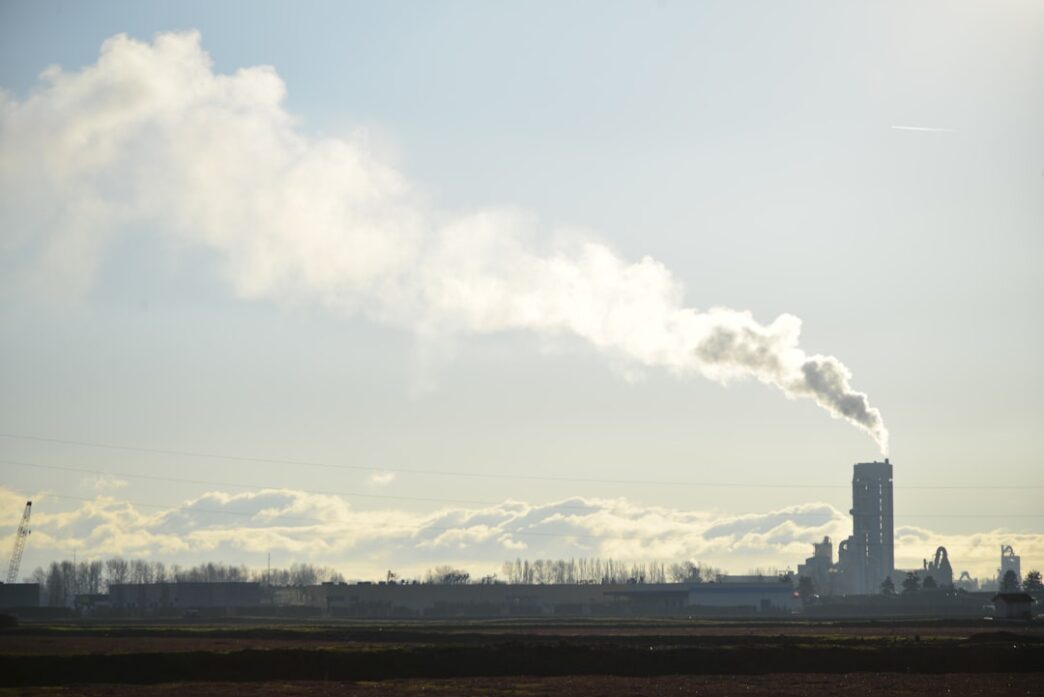
The world is witnessing a seismic shift in how environmental accountability is integrated into economic frameworks. Carbon credits, once a niche concern relegated to the periphery of climate discussions, are emerging as a formidable economic asset. With nations and corporations increasingly recognizing the financial implications of climate change, the market for carbon credits is on a trajectory that could redefine trade dynamics globally.
Consider the European Union, which has long been a pioneer in carbon trading through its Emissions Trading System (ETS). This market-driven approach allows companies to buy and sell allowances that permit them to emit a certain amount of carbon dioxide. With the EU’s stringent climate targets, the price of carbon permits has surged, reaching record highs. This is not merely an environmental issue; it’s an economic one, influencing industries from energy to manufacturing.
But Europe’s approach is merely one part of a broader, global trend. Countries like China and the United States are also exploring and expanding their carbon credit systems. China launched its national carbon market in 2021, focusing initially on the power sector. By putting a price on carbon emissions, the Chinese government is not just incentivizing cleaner technologies; it’s also opening up a new market for trade that could compete with existing systems in Europe.
In the United States, companies are increasingly engaging in voluntary carbon markets, where businesses can purchase carbon credits to offset their emissions. This trend is particularly pronounced in industries like tech and retail, where companies such as Microsoft and Amazon have committed to ambitious carbon neutrality goals. The growing demand for carbon credits is creating a complex web of transactions and partnerships, essentially creating a new marketplace that operates on the principles of supply and demand.
However, this burgeoning market is not without its challenges. The integrity of carbon credits is often questioned. Critics argue that many credits do not represent genuine emission reductions. This has prompted calls for more rigorous certification standards and transparency in how credits are generated and traded. Organizations like Verra and the Gold Standard are stepping up to provide frameworks that ensure credibility in carbon offset projects.
Emerging markets stand to gain significantly from this shift. Countries with abundant natural resources, such as Brazil and Indonesia, are ripe for investment in carbon credits. These nations can leverage their vast forests and biodiversity to generate credits through conservation efforts. In doing so, they could attract substantial foreign investment while contributing to global climate goals. Projects focused on reforestation or sustainable land management not only combat climate change but can also stimulate local economies, creating jobs and fostering community development.
Yet, the success of carbon credit markets hinges on policy coherence and international cooperation. The Paris Agreement laid a foundation for countries to work collectively towards emission reduction goals, but implementation varies widely. Effective international frameworks are essential to prevent market fragmentation and ensure that environmental goals align with economic incentives.
One compelling example of this in action can be seen in the newly launched “Coalition for Sustainable Carbon Markets,” which includes representatives from both developed and developing countries. This initiative aims to create a robust framework that facilitates cross-border carbon trading while ensuring environmental integrity.
As countries and corporations race to meet net-zero targets, the carbon credit market represents not just a pathway toward sustainability, but also a new frontier for economic growth. In a world where climate change is no longer an abstract concern but a palpable threat, the fusion of environmental responsibility and economic opportunity may well be the defining narrative of this century.