When a country raises tariffs on imported goods, several economic effects can unfold, impacting consumers, businesses, and the overall economy. Tariffs are essentially taxes imposed on foreign products, making them more expensive and less competitive compared to domestic goods. This can lead to a variety of outcomes.
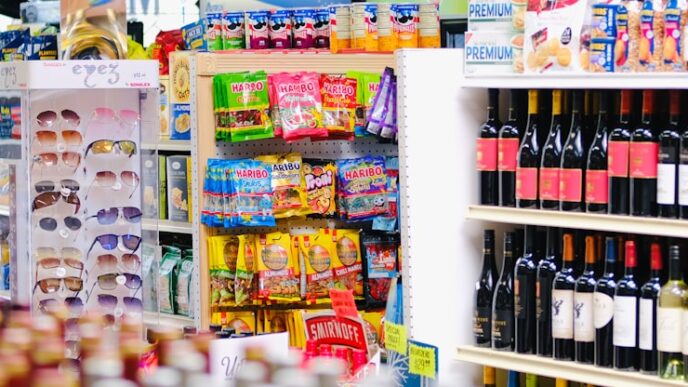
Firstly, consumers often face higher prices for imported goods. For example, when the United States imposed tariffs on steel and aluminum imports in 2018, the cost of products using these materials increased. Companies reliant on imported steel had to raise their prices, which ultimately affected consumers. Shoppers found themselves paying more for cars, appliances, and various other goods that use these materials.
Additionally, higher tariffs can protect domestic industries by reducing foreign competition. In the short term, this might seem beneficial as it can lead to job retention in these industries. For instance, U.S. steel manufacturers reported a boost in orders following the implementation of these tariffs. However, this protective measure can have a ripple effect throughout the economy.
– **Job impact:** While some jobs may be saved in the protected sectors, industries that rely on imported materials or components can suffer. This could lead to job losses in manufacturing or construction sectors that depend on those goods.
– **Economic growth:** Elevated tariffs can slow down economic growth as higher prices for materials can curb production and investment. Businesses facing increased input costs may postpone expansion plans or cut back on hiring.
Trade tensions often escalate alongside tariff increases. Countries affected by such tariffs may retaliate with their own tariffs, leading to a trade war. A notable example is the ongoing trade conflict between the U.S. and China, where each country has imposed tariffs on billions of dollars’ worth of goods. This back-and-forth can lead to uncertainty in the markets, affecting business investments and economic stability.
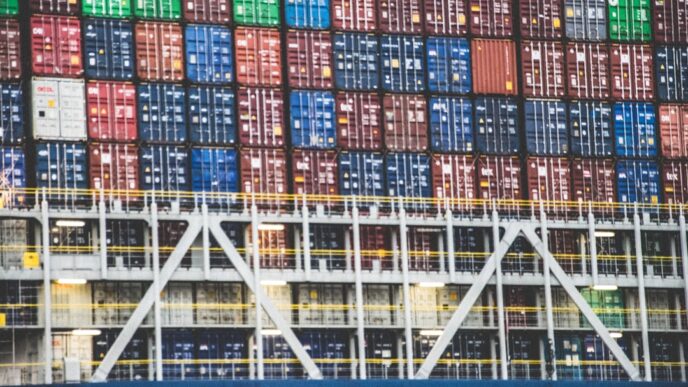
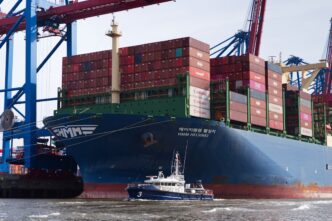
In some cases, tariffs can prompt businesses to relocate production to countries with lower tariffs or more favorable trade agreements. This shift can not only mean loss of jobs in the original country but can also impact the supply chain dynamics on a global scale.
Consumers can also find themselves struggling with fewer choices. Increased costs and reduced competition can lead to a lack of variety in the marketplace, forcing consumers to settle for more expensive or lower-quality domestic products. For example, if a country raises tariffs on electronics, consumers might find fewer options available or be pushed to purchase domestic models that are pricier.
In summary, raising tariffs can offer short-term protection for certain industries while also leading to increased prices for consumers, job losses in other sectors, and potential retaliatory actions from trading partners. The overall economic landscape becomes increasingly complex, with both benefits and drawbacks that must be weighed carefully by policymakers.