
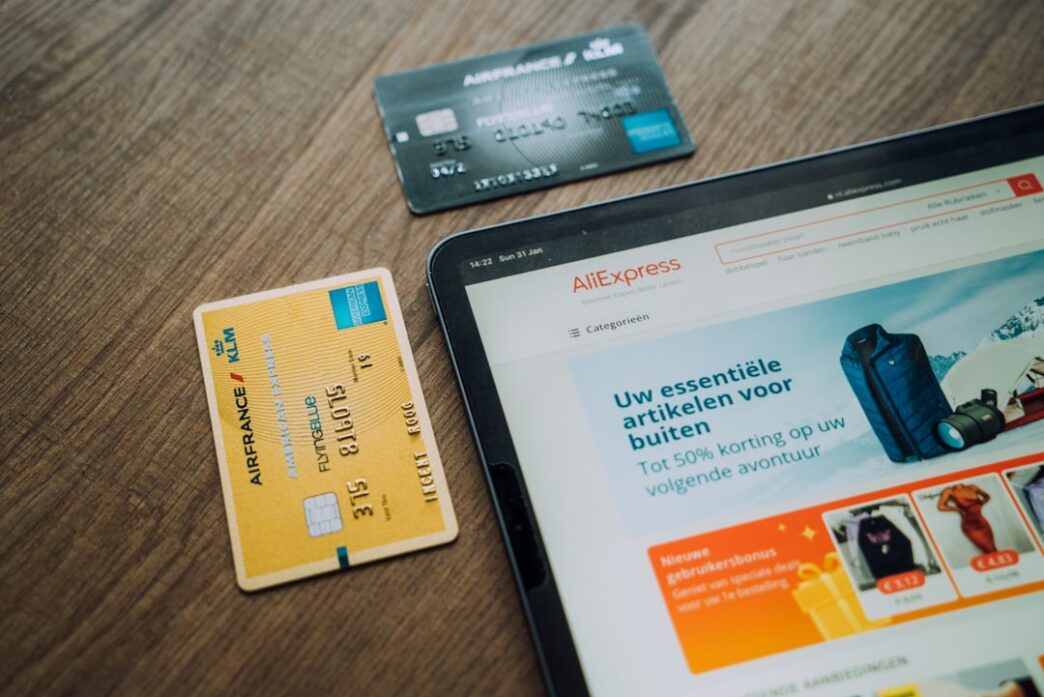
Interest rates play a crucial role in shaping consumer spending and borrowing behaviors. When interest rates are low, borrowing becomes cheaper, making it easier for individuals and businesses to take out loans for various purposes, such as buying homes, cars, or investing in business expansion. This surge in borrowing typically leads to increased consumer spending, which can stimulate economic growth.
For example, during the financial crisis of 2008, central banks around the world, including the U.S. Federal Reserve, slashed interest rates to near-zero levels. This move was designed to encourage borrowing and revive the economy. As loans became more affordable, consumer purchases increased, helping to boost demand and stabilize the economy in the years that followed.
Conversely, when interest rates rise, the cost of borrowing increases. This can have a dampening effect on consumer spending. Higher interest rates mean higher monthly payments on loans and credit cards, which can lead consumers to cut back on discretionary spending. For instance, if the Federal Reserve raises rates to combat inflation, consumers may delay large purchases or reduce spending on non-essential items, which can slow economic growth.
Additionally, higher interest rates can directly impact various sectors of the economy. For example:
– **Housing Market:** Higher mortgage rates can decrease home affordability, leading to reduced demand in the housing market. Prospective buyers may hold off on purchasing homes, resulting in slower price growth or even declines in home values.
– **Automotive Sales:** Car loans become more expensive with rising rates, potentially leading consumers to opt for less expensive cars or postpone purchases altogether.
– **Business Investment:** Companies may also feel the pinch as borrowing costs increase, potentially leading them to reconsider investment projects that require financing. This can affect job creation and overall economic productivity.
Real-world scenarios demonstrate the connection between interest rates and consumer behavior. In Canada, for example, the Bank of Canada raised interest rates multiple times in 2017 and 2018 to curb rising inflation. These increases contributed to a slowdown in the housing market, with reports of declining sales and slower price increases in several regions, reflecting how higher borrowing costs can influence consumer decisions.
Understanding the relationship between interest rates and consumer spending is vital for anticipating economic trends. As central banks adjust rates in response to economic conditions, consumers and businesses alike must adapt their strategies to navigate the changing financial landscape. Recognizing these dynamics can help individuals make informed decisions about borrowing and spending in different economic contexts.