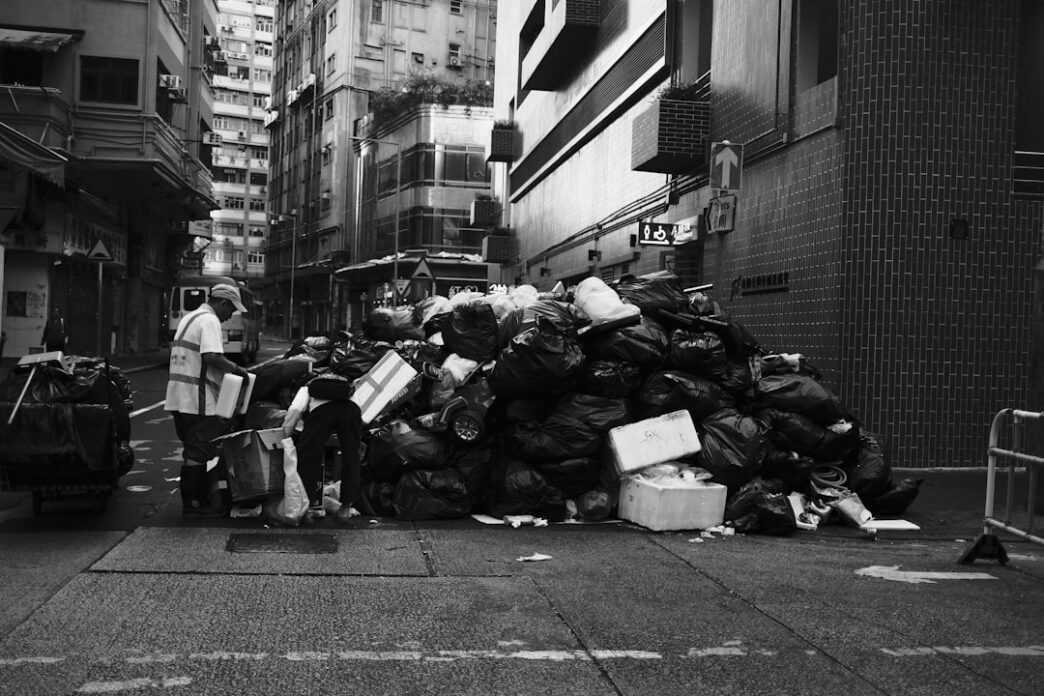
Imagine a world where waste is no longer a burden but a resource. This is the vision driving the circular economy, an emerging model that is gaining traction across industries and nations. Leading this charge is the European Union, which has set ambitious targets to transition from a linear economy—characterized by a ‘take-make-dispose’ approach—to a circular one, where materials are reused, repaired, and recycled. The European Commission’s Circular Economy Action Plan aims to reduce the waste generated by the EU and enhance resource efficiency, significantly impacting both environmental sustainability and economic growth.
The implications are profound. In 2020, the Ellen MacArthur Foundation reported that transitioning to a circular economy could generate $4.5 trillion in economic benefits by 2030. This is not merely theoretical; companies in various sectors are already harnessing these principles. Take Unilever, for instance. Its “Sustainable Living” initiatives focus on reducing waste across its product lifecycle. The company’s commitment to making all of its plastic packaging recyclable, reusable, or compostable by 2025 is a striking example of how corporate responsibility can align with profitability.
Manufacturers are increasingly adopting closed-loop systems, which minimize waste by reintroducing materials back into their production processes. Companies like Interface, a flooring manufacturer, have pioneered this model. They have created carpets from recycled materials, demonstrating that reducing resource consumption does not necessarily compromise design or quality. Their “Mission Zero” initiative aims to eliminate any negative impact the company may have on the environment by 2020, showcasing how corporate missions can pivot towards sustainability while encouraging innovation.
However, this transition is not without its challenges. The move toward a circular economy requires systemic change, not just from companies but also from consumers and policymakers. For example, despite rising awareness, many consumers remain hesitant to embrace circular products, often due to perceived inconvenience. Educational campaigns are crucial for shifting mindsets. In countries like Finland, initiatives promote circular practices in everyday life, encouraging citizens to repair rather than discard items. This cultural shift is a cornerstone of sustainable development.
Financial institutions are also recognizing the economic potential of circular initiatives. The World Bank has invested in programs that support businesses adopting circular practices, providing funding for projects that emphasize waste reduction and resource efficiency. These investments help to establish new markets around recycled materials and green technologies, creating jobs and stimulating local economies.
Some emerging markets are leapfrogging traditional, linear methods and directly adopting circular principles. In Kenya, the waste management company M-KOPA is paving the way by turning electronic waste into valuable resources. Their model not only addresses the pressing issue of e-waste but also creates jobs and stimulates economic growth in a country that faces significant challenges with waste management.
While the circular economy presents an aspirational vision, its implementation is a gradual process that requires collaboration among governments, businesses, and consumers. As more organizations embrace these initiatives and as public awareness grows, the shift towards a circular economic model may not just be beneficial—it may become imperative for sustainable growth in the years to come.