When interest rates rise, the immediate effect is a slowdown in borrowing. Higher rates mean that loans become more expensive for consumers and businesses alike. This can impact a variety of economic activities: consumers may delay purchases of big-ticket items like homes and cars, while businesses might postpone expansion plans or investments.
For consumers, the cost of financing a new home increases with higher mortgage rates. For example, if mortgage rates increase from 3% to 5%, a borrower may see their monthly payments rise significantly. This can lead to a decline in home sales, which subsequently affects the housing market. If fewer homes are sold, construction slows down, affecting jobs related to real estate, construction, and related industries.
Businesses face similar challenges. When interest rates go up, the cost of borrowing for expansion or operational needs rises. A company looking to invest in new technology or facilities might rethink its plans if financing costs become too high. This can lead to reduced economic growth, as fewer investments mean less job creation and innovation.
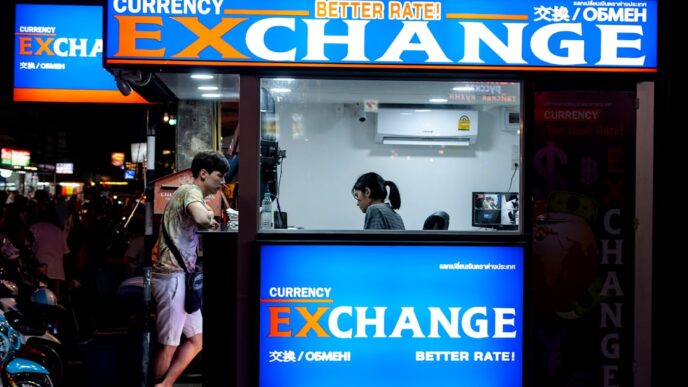
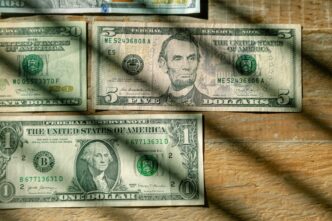
Moreover, rising interest rates can also strengthen a country’s currency, making exports more expensive. For instance, in 2015, the Federal Reserve raised interest rates for the first time in nearly a decade, leading to a stronger U.S. dollar. While this might seem beneficial, it can hurt American exporters because their products become pricier for foreign buyers, potentially leading to a trade imbalance.
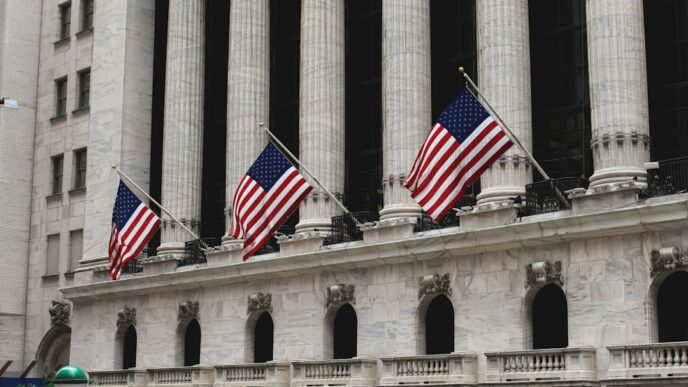
The relationship between interest rates and inflation is complex. Central banks, like the Federal Reserve, often raise interest rates in response to rising inflation. The idea is to cool down an overheating economy. However, higher interest rates can stifle economic growth, making it a balancing act for policymakers. For example, the U.S. faced this challenge in the late 1970s and early 1980s when inflation surged, prompting the Fed to raise interest rates dramatically, eventually leading to a recession.
In summary, when interest rates rise, the economy tends to slow down due to decreased consumer spending and reduced business investment. While this can help manage inflation, it also comes with the risk of stalling economic growth, affecting jobs, and the broader market. Understanding this dynamic is crucial for both individuals and businesses in navigating financial decisions during periods of changing interest rates.