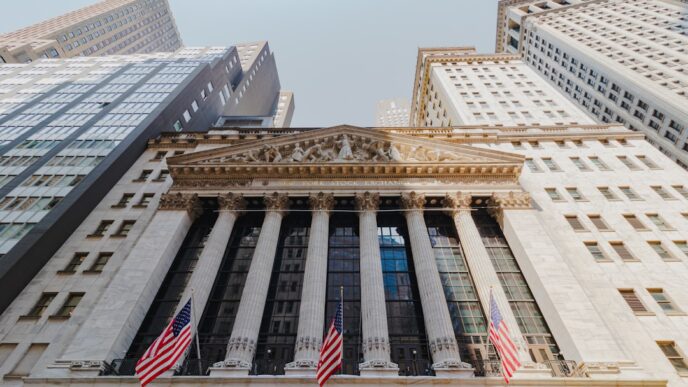
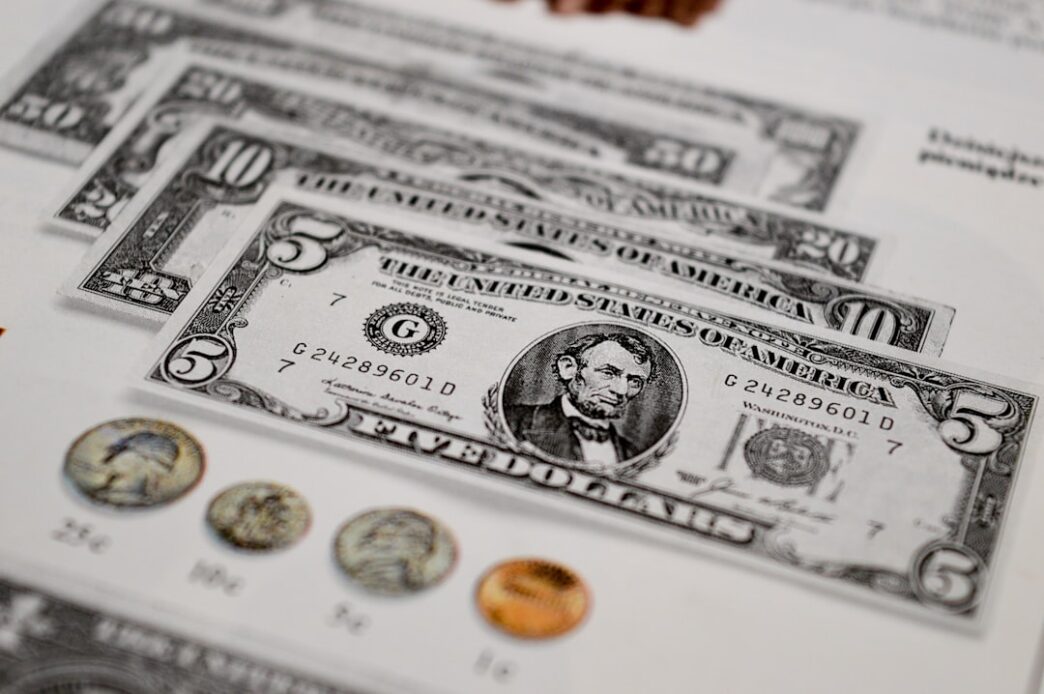
When inflation rises, central banks typically respond by increasing interest rates. The primary reason for this relationship is that higher inflation erodes purchasing power. To combat this, central banks, like the U.S. Federal Reserve, aim to stabilize prices by making borrowing more expensive through higher interest rates. This strategy discourages excessive spending and borrowing, which helps to cool off an overheating economy.
For example, during the 1970s, the U.S. experienced stagflation—high inflation paired with stagnant economic growth. In response, the Federal Reserve, under Chairman Paul Volcker, drastically raised interest rates to combat inflation, peaking at over 20% in June 1981. This approach effectively reduced inflation but also led to a recession.
Raising interest rates has a direct impact on various sectors:
– **Consumer Spending:** Higher interest rates mean higher costs for loans and credit cards, leading consumers to spend less.
– **Business Investment:** Businesses facing increased borrowing costs may delay or scale back investments, leading to slower growth.
– **Housing Market:** Mortgage rates typically rise alongside interest rates, which can dampen demand for housing as affordability decreases.
The delicate balance between controlling inflation and fostering economic growth is critical. Central banks monitor economic indicators closely—if inflation rises too quickly, they may need to act decisively to prevent a wage-price spiral, where wages and prices continuously push each other higher.
Inflation can be influenced by various factors, including supply chain disruptions, demand surges, and external shocks. For instance, the COVID-19 pandemic led to unprecedented supply chain challenges, contributing to inflation spikes in many countries. Consequently, central banks worldwide have had to reassess their approaches to interest rates in a rapidly changing economic landscape.
It’s important to recognize the timing and magnitude of interest rate changes. For example, if inflation is perceived as transitory—as suggested by many economists post-pandemic—central banks may opt for a gradual increase in interest rates rather than aggressive hikes. This allows them to support economic recovery while still addressing inflation risks.
In summary, when inflation rises, central banks typically increase interest rates to stabilize the economy. The effects can ripple through consumer behavior, business investments, and overall economic growth, making careful monitoring and timely policy adjustments essential for maintaining balance in the economy.