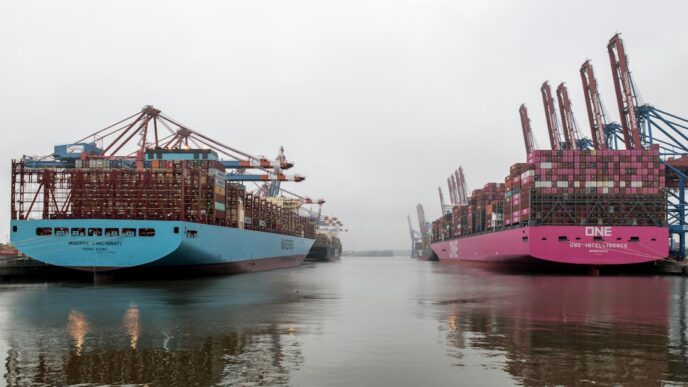

Tariffs, which are taxes imposed on imported goods, directly affect consumer prices by increasing the cost of those goods. When a government raises tariffs, it raises the price of imported items. As a result, consumers often face higher prices at the store for goods that are not produced domestically or for which domestic production cannot meet demand. For example, when the U.S. imposed tariffs on steel and aluminum imports in 2018, domestic prices for these materials soared, leading to increased costs for industries relying on them, such as construction and manufacturing.
The economic impact of tariffs extends beyond just the prices consumers pay. Higher costs can lead to inflationary pressures, as businesses may pass on the increased costs to consumers. This situation creates a ripple effect in the economy. When consumers are forced to pay more for goods, their purchasing power diminishes, potentially leading to reduced consumer spending. Lower spending can slow economic growth, as businesses see a decline in demand for their products.
Moreover, tariffs can lead to retaliation from other countries. For instance, after the U.S. imposed tariffs on various goods, countries like China responded with their own tariffs on American exports. This tit-for-tat approach disrupts international trade relationships and can result in a net loss of jobs in export-driven sectors. In 2019, a study by the Federal Reserve Bank of New York estimated that the tariffs imposed by the U.S. cost American consumers approximately $1.4 billion per month in higher prices.
To illustrate the broader implications, consider the automotive industry. Tariffs on imported vehicles or vehicle parts can significantly raise costs for manufacturers who rely on global supply chains. For example, if tariffs are imposed on car parts sourced from abroad, U.S. car manufacturers may increase vehicle prices to maintain profit margins. Consequently, consumers may choose to delay purchases or opt for used vehicles, further affecting the auto industry’s health.
In summary, tariffs can lead to higher consumer prices and create complex economic dynamics. While they may aim to protect domestic industries, the long-term effects often include inflation, diminished consumer spending, and strained international relations. Understanding these consequences is crucial for consumers, businesses, and policymakers when navigating the intricate landscape of international trade.