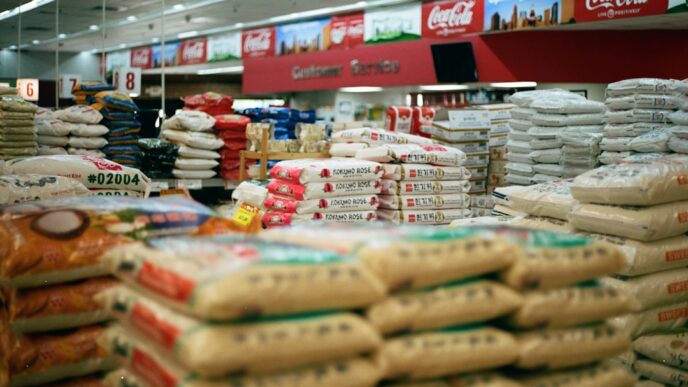
Tariffs are taxes imposed by a government on imported goods. When a country raises tariffs, it generally aims to protect domestic industries from foreign competition. However, the immediate effect of increased tariffs is often an increase in the prices of imported goods. This can lead to higher costs for consumers and businesses that rely on those imports.
For example, when the United States increased tariffs on steel and aluminum in 2018, the prices of various products that used these materials, such as cars and appliances, rose. As a result, manufacturers faced higher production costs, which they often passed on to consumers in the form of higher prices. This can lead to inflationary pressure in the economy, eroding purchasing power for households.
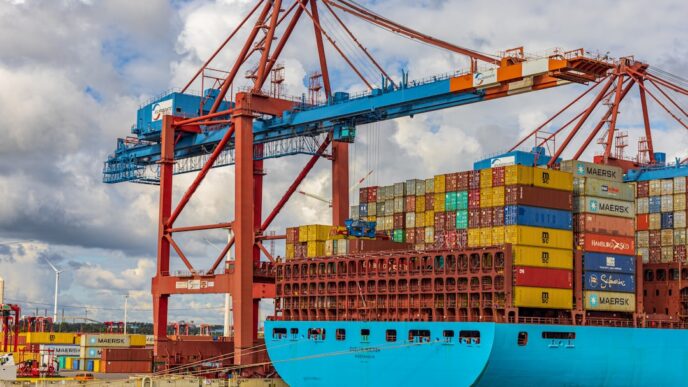
Furthermore, the impact of tariffs extends beyond just price increases. They can also lead to decreased availability of certain goods. When tariffs make importing products more expensive, some businesses may choose to reduce their imports or seek alternative suppliers, which can disrupt supply chains. In some cases, consumers may find fewer choices available in the market, as companies opt to focus on domestically produced goods that may not meet the same standards or variety as imports.
On a broader scale, tariffs can influence international relations and trade agreements. Countries affected by tariffs might respond with their own tariffs, leading to trade wars. A notable example is the trade tensions between the U.S. and China, where both nations implemented numerous tariffs on each other’s goods. This not only affected the targeted industries but also had ripple effects throughout the global economy.
Key points to consider about the effects of tariffs:
– **Higher Prices:** Consumers pay more for imported goods, affecting everyday purchases.
– **Supply Chain Disruptions:** Businesses may face challenges in sourcing materials or products.
– **Reduced Choices:** Limited imports can lead to fewer options for consumers.
– **Economic Retaliation:** Other countries may impose tariffs in response, exacerbating trade tensions.
Understanding the multifaceted effects of tariffs is crucial for consumers and policymakers alike. While tariffs can protect specific domestic industries, they often come with trade-offs that can impact the economy at large. Balancing the protection of local jobs with the need for affordable goods is a challenge that many governments face in crafting trade policy.