
Increasing tariffs can have significant and multifaceted effects on a country’s economy. When a government raises tariffs, it imposes additional taxes on imported goods, making them more expensive. This can lead to several immediate and far-reaching consequences.
First, higher tariffs tend to protect domestic industries by making imported products less competitive in terms of price. For example, if the United States raises tariffs on steel, domestic steel manufacturers may benefit from reduced competition and potentially increase their prices. This can lead to short-term job growth in those industries, as local manufacturers ramp up production to meet the demand.
However, the picture isn’t entirely rosy. Increased tariffs can also result in higher prices for consumers. When tariffs are imposed, companies often pass the additional costs onto consumers, raising prices for everyday items. For instance, if tariffs are applied to imported electronics, shoppers may find they have to pay more for those goods, reducing their overall purchasing power.
Moreover, retaliatory measures from trading partners can complicate the situation. For example, when the U.S. imposed tariffs on steel and aluminum in 2018, countries like Canada and the European Union responded with their own tariffs on American goods, leading to a trade dispute. This retaliatory cycle can harm exporters in the tariff-imposing country, as they lose access to crucial markets.
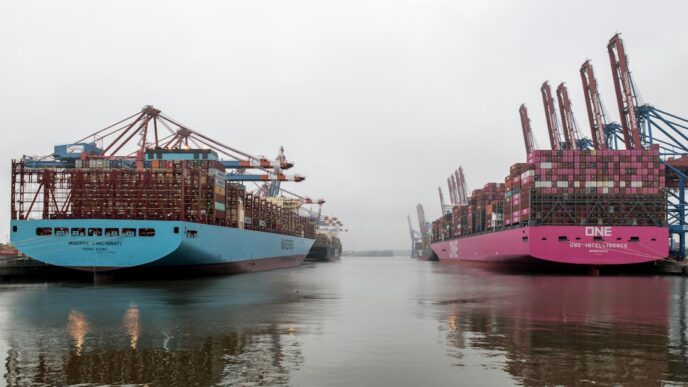
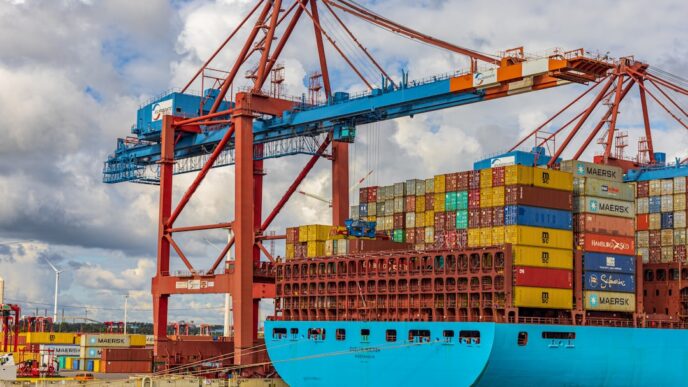
Additionally, the implications extend beyond immediate price changes. Increased tariffs can disrupt supply chains, causing delays and increased costs for businesses that rely on imported materials or components. Manufacturers may struggle with finding alternative suppliers domestically, which could lower their production efficiency and profitability.
Economic research indicates that in the long run, the negative effects of tariffs may outweigh their benefits. A 2019 study by the U.S. Chamber of Commerce estimated that the tariffs imposed during the trade war could cost the U.S. economy over $1.4 trillion in GDP losses over several years. This reveals the potential for extended economic harm stemming from what may initially seem like protective measures.
In summary, while increasing tariffs can provide short-term advantages to certain domestic industries, they often lead to higher consumer prices, retaliatory actions from other countries, and disruptions in supply chains. The overall effects can create a ripple of economic challenges that impact various sectors and consumers alike. To effectively navigate these complexities, policymakers must weigh the immediate benefits against the potential long-term costs associated with increased tariffs.