Tariffs, which are taxes imposed on imported goods, directly affect consumer prices by increasing the cost of foreign products. When a government raises tariffs, importers face higher costs, which are often passed down to consumers in the form of increased prices. For instance, if a country imposes a 25% tariff on steel imports, manufacturers relying on imported steel will either absorb those costs or raise the prices of their products. This can lead to higher prices for everything from cars to appliances, ultimately affecting the average consumer’s wallet.
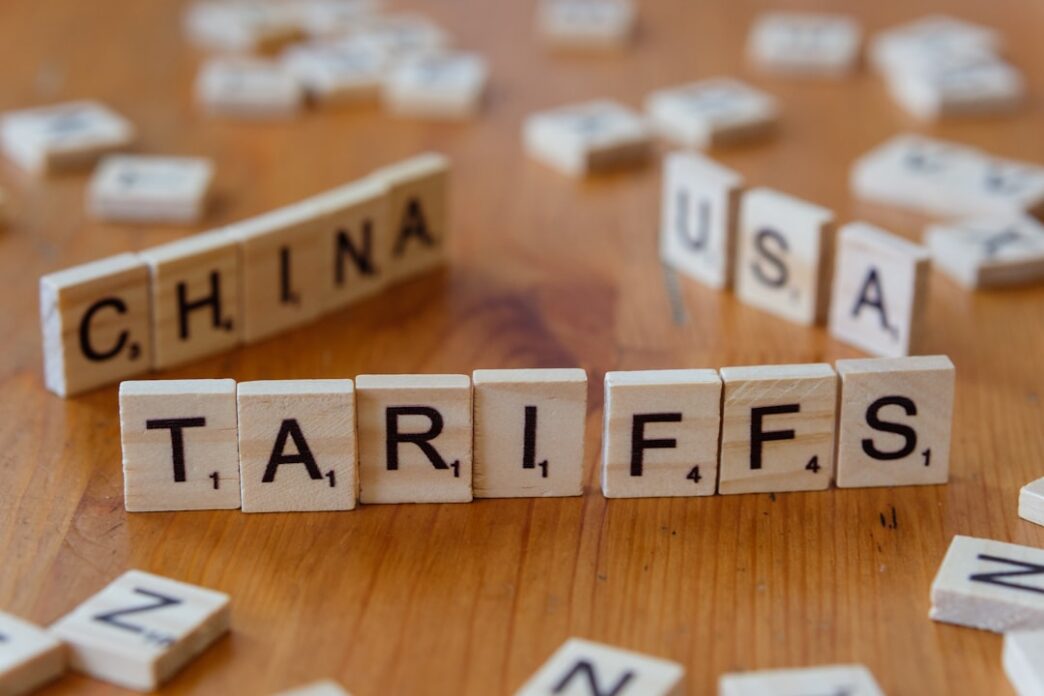
In addition to increasing prices, tariffs can also disrupt trade relationships and lead to retaliation from trading partners. A notable example is the trade war between the United States and China that began in 2018. The U.S. imposed tariffs on a variety of Chinese goods, prompting China to retaliate with tariffs on American exports. This back-and-forth escalated tensions and created uncertainty in the market, causing businesses to scale back investments.
The consumer price index (CPI) often reflects the impacts of tariffs. As prices rise due to increased import costs, the overall inflation rate can increase, potentially leading to a decrease in consumer spending. Higher prices on imported goods can particularly hurt lower- and middle-income families, who may spend a larger portion of their income on essential products that are now more expensive.
Here are a few key points to consider regarding the impact of tariffs:
– **Increased Prices:** Tariffs raise the cost of imports, which can lead to higher prices for consumers on everyday goods.
– **Economic Slowing:** As prices rise, consumers may cut back on spending, which can slow down economic growth.
– **Retaliation Effects:** Countries affected by tariffs may impose their own tariffs, leading to a cycle of increasing costs and economic strain on both sides.
– **Domestic Industry Protection:** While tariffs are often justified as a means to protect domestic industries, the benefits can be mixed. Some industries may benefit from reduced foreign competition, but consumers suffer from higher prices.
In the long run, the economic consequences of tariffs can be complex. While they may protect certain domestic industries in the short term, they often lead to broader economic inefficiencies and can strain international relationships. Countries need to balance the protection of local jobs with the potential for reduced consumer purchasing power and increased prices.
Ultimately, tariffs have both immediate and long-term effects on consumer prices and the economy. Policymakers must carefully weigh these factors when considering trade regulations, to avoid unintended consequences that could hinder economic growth and consumer welfare. The balance between protecting domestic industries and ensuring affordable prices for consumers is a delicate one that requires thoughtful consideration.