
Raising tariffs is a government action that imposes additional taxes on imported goods. This strategy is often used to protect domestic industries, but it can have far-reaching economic effects. When a country increases tariffs, the immediate impact is typically an increase in the price of imported goods. Higher prices can lead to inflationary pressures within the economy, as consumers face increased costs for everyday items.
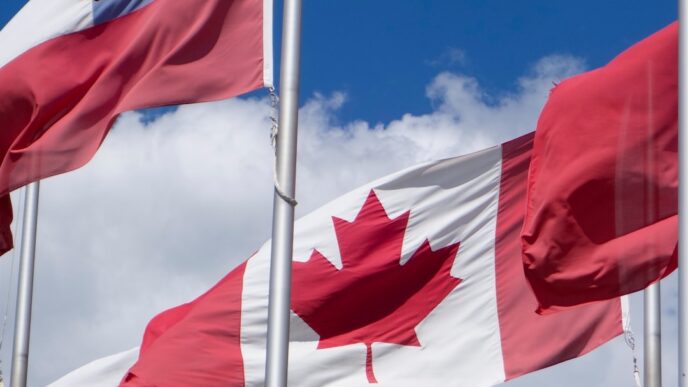
One of the most notable effects of raised tariffs is the potential for retaliatory measures from trading partners. For instance, when the U.S. imposed tariffs on steel and aluminum in 2018, many countries, including Canada and the European Union, responded with their own tariffs on American goods. This tit-for-tat situation can escalate into a trade war, where both sides impose increasing tariffs on a wider array of products, disrupting international trade and supply chains.
Consumers often bear the brunt of these tariff increases. For example, if tariffs are placed on imported electronics, the cost of these devices may rise significantly. According to a report by the Federal Reserve Board, the 2018 tariffs led to an increase in prices that reduced American consumers’ purchasing power, highlighting the complex relationship between tariffs and consumer behavior.
Additionally, while tariffs are intended to support domestic businesses by making imported goods less competitive, the long-term effects can be detrimental. Domestic companies may become complacent, relying on protection from foreign competition rather than innovating or improving efficiency. This was evident during the Smoot-Hawley Tariff Act of 1930, which raised tariffs on hundreds of goods. Instead of protecting American jobs, it is widely believed to have exacerbated the Great Depression by stifling international trade.
The economic impact of tariffs can also vary depending on the industry. Some sectors may benefit, while others suffer. For instance, U.S. farmers faced significant challenges when tariffs were raised on agricultural products like soybeans and corn, particularly when major markets like China retaliated. This situation exemplifies how tariffs can disrupt domestic industries that rely on exports, leading to significant economic strain.
Trade tariffs not only affect prices and industries, but they also have broader implications for economic growth and employment. When trade barriers are raised, businesses may struggle to find cost-effective materials, leading to reduced production or even layoffs. The overall economic growth rate may slow, as local consumers are forced to deal with higher prices and reduced choices.
In summary, raising tariffs can initially seem like a viable strategy to boost domestic industries, but the consequences often lead to increased costs for consumers, strained international relations, and potentially harmful impacts on the economy as a whole. The example of the U.S.-China trade tensions illustrates just how complex and interconnected global trade systems can be, making careful consideration crucial when policymakers decide to implement such measures.