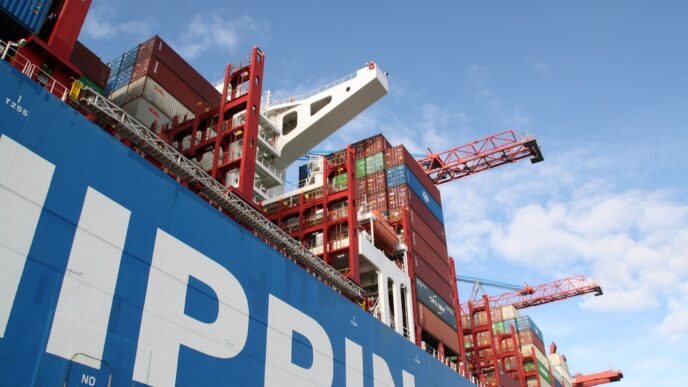
Tariffs increase the cost of imported goods, which directly affects consumer prices. When a government imposes tariffs, they essentially add a tax on foreign products. This means that businesses importing these goods will either absorb the added cost or pass it on to consumers. As a result, consumers end up paying more for these imported items. For example, if a tariff is placed on steel imports, manufacturers using this steel might raise their prices on finished goods like cars and appliances, leading to higher costs for consumers.
The effect of tariffs extends beyond just the prices of imported goods. They can also lead to inflation, particularly if the tariffs are significant or target essential items. When consumers face higher prices for imported goods, they may shift their purchasing behavior, opting for domestic alternatives that might also be more expensive due to their increased demand. This can create a ripple effect throughout the economy, pushing prices up overall.
In the United States, the 2018 tariffs on steel and aluminum imposed by the Trump administration provide a clear example of this dynamic. The tariffs were intended to protect domestic producers, but they also led to higher prices for a variety of consumer products. Reports indicated that prices for goods reliant on these materials—like construction and automotive products—rose noticeably. Ultimately, this situation illustrates how tariffs can disrupt market equilibrium and lead to price increases that affect everyday consumers.
Moreover, these price increases can cause a broader economic impact. Consumers with less disposable income due to higher prices may reduce spending in other areas. Businesses facing higher costs might limit investment or slow down hiring, which can lead to slower economic growth.
In summary, when tariffs are enacted, consumers often bear the brunt of increased prices, leading to a cascading effect on the economy. Understanding these implications is crucial for both policymakers and consumers as they navigate the complexities of international trade and its local repercussions.