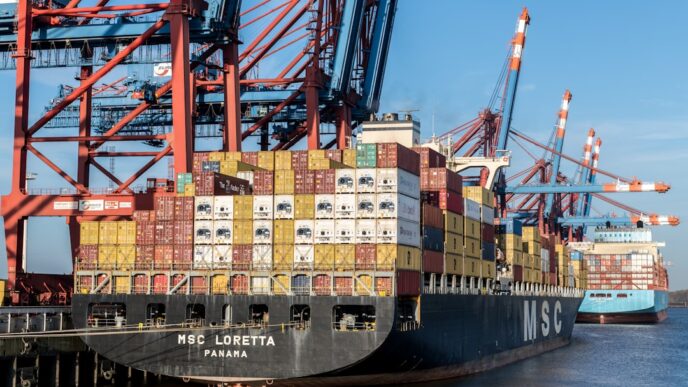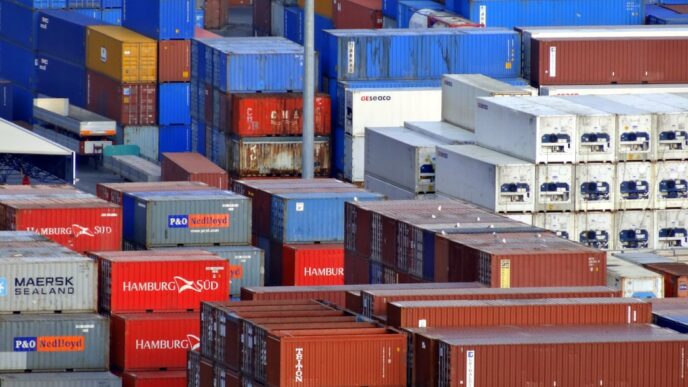
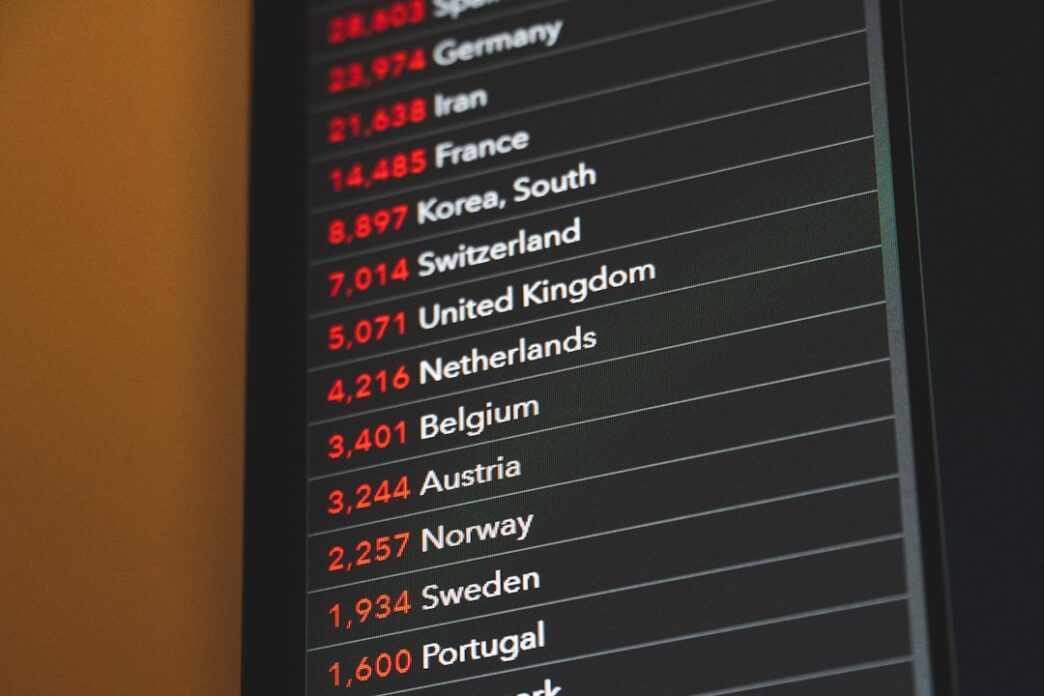
When a country raises tariffs, several immediate and long-term effects can unfold both domestically and internationally. At its core, a tariff is a tax imposed on imported goods, which makes those goods more expensive for consumers and businesses relying on them. This increase in costs can lead to a range of economic consequences, including higher prices for consumers, potential trade war escalations, and impacts on domestic industries.
To begin with, consumers face the brunt of higher prices. When tariffs are imposed, imported goods become more expensive, leading retailers to pass along these costs to customers. For example, if a country raises tariffs on steel imports, manufacturers who rely on steel may increase their prices to maintain profit margins. Consequently, consumers end up paying more for products that contain steel, from cars to appliances.
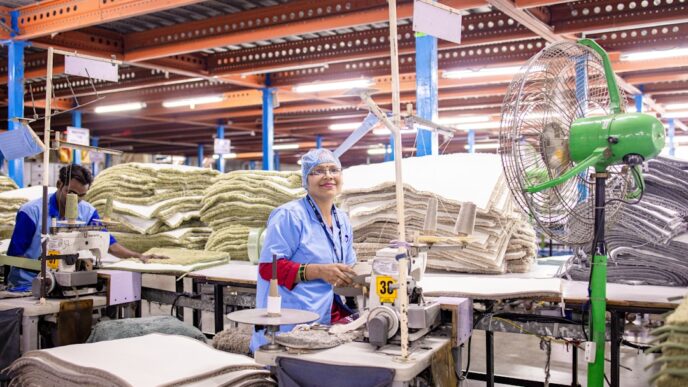
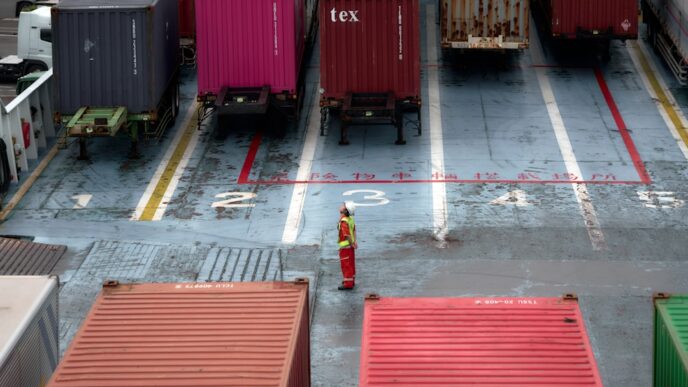
In addition to affecting consumer prices, raising tariffs can also disrupt global supply chains. Many businesses operate on a complex web of international suppliers. When tariffs are increased, companies may seek to source materials domestically or from countries with lower tariffs, which can be costly and time-consuming. This shift can lead to inefficiencies and reduced productivity, ultimately harming the economy.
Trade tensions can escalate due to tariff increases. A prominent example is the U.S.-China trade war that began in 2018 when the United States imposed tariffs on various Chinese goods. China retaliated with its own tariffs, leading to a cycle of increasing barriers that affected not only U.S. and Chinese economies but also global markets. Many industries, particularly agriculture and manufacturing in the U.S., found themselves caught in the crossfire, suffering significant losses.
This scenario illustrates how raising tariffs can trigger broader economic ramifications. Affected industries may lobby for relief from higher tariffs or seek government assistance to stay competitive. If the tariffs are high enough, some businesses might even relocate operations to countries less affected by the tariffs, resulting in job losses domestically and a potential decline in economic activity.
Moreover, the impact on international relations shouldn’t be overlooked. Tariff increases can sour diplomatic relations and complicate negotiations on various fronts, including climate policy or security agreements. Countries may respond not just with tariffs but also with other forms of economic retaliation, further straining relationships and affecting global stability.
On the positive side, proponents of tariffs often argue that they protect domestic industries from foreign competition. For example, tariffs on imported solar panels were intended to boost U.S. manufacturing in the renewable energy sector. While this can provide short-term relief to specific industries, the long-term viability and competitiveness of those industries depend on innovation and efficiency, not just protectionist measures.
Overall, raising tariffs can have a range of complex effects, influencing everything from consumer prices to international relations and domestic employment. The consequences often extend beyond the targeted goods, affecting the broader economy in ways that may not be immediately apparent.