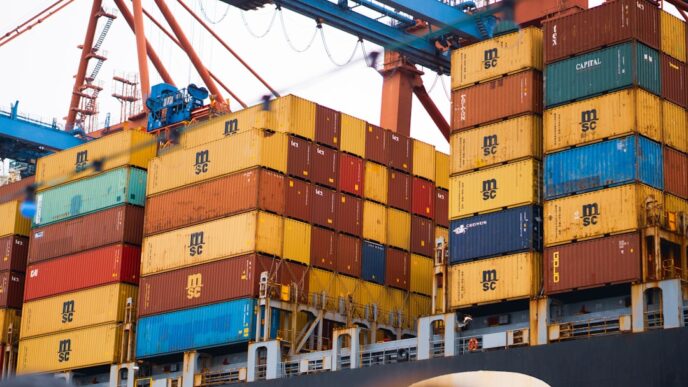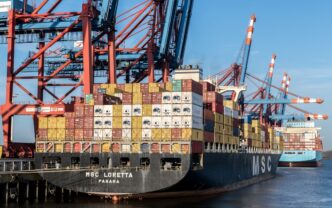
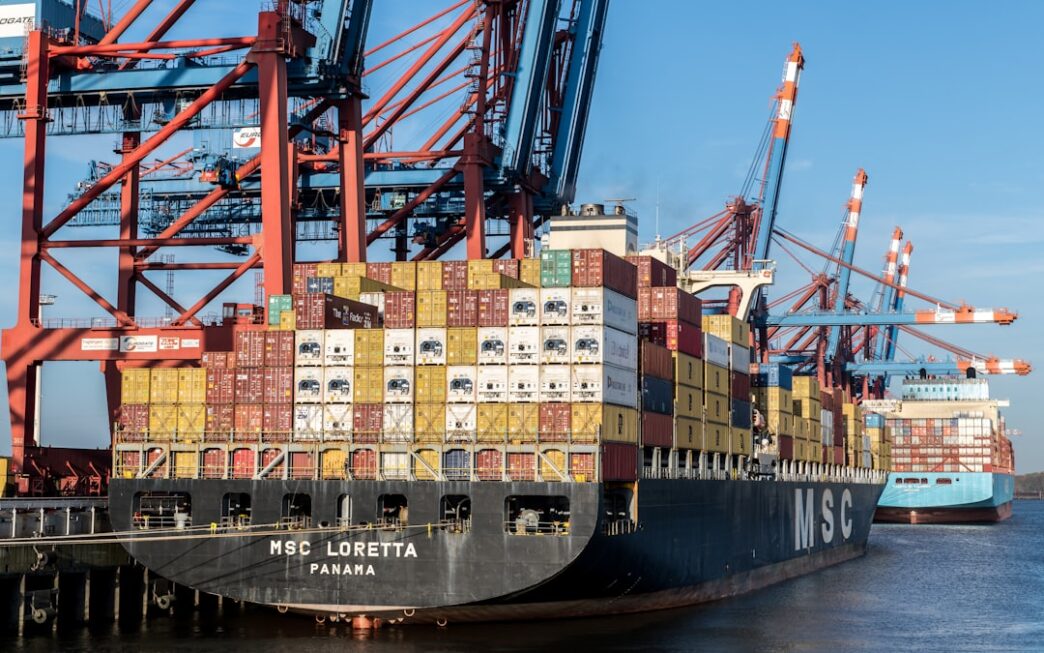
Tariffs increase the cost of imported goods, which usually leads to higher prices for consumers. When a country imposes tariffs, it essentially places a tax on foreign products, making them more expensive than domestic alternatives. As a result, consumers may face higher prices as businesses pass along these costs. For instance, if the U.S. raises tariffs on steel imports, domestic steel manufacturers might hike their prices due to reduced competition from abroad.
The increase in tariffs can lead to several economic repercussions. Companies that rely on imported materials may experience increased production costs, leading to a ripple effect across various sectors. For instance, a car manufacturer that uses imported steel will likely pass the higher costs onto consumers in the form of more expensive vehicles. This can lead to a decrease in consumer spending as people may opt to delay purchases when faced with higher prices.
In addition to rising prices, tariffs can impact employment and economic growth. When sectors that rely heavily on imports face higher costs, they might reduce their output, leading to layoffs or hiring freezes. Conversely, industries that produce goods domestically may initially see a boost due to reduced competition. However, this is often short-lived if overall consumer spending declines due to higher prices.
Real-world examples illustrate these dynamics. During the U.S.-China trade war, the U.S. increased tariffs on hundreds of billions of dollars’ worth of Chinese goods. This prompted retaliatory tariffs from China, affecting American farmers and manufacturers. As a result, prices for goods like electronics and agricultural products rose, prompting discussions about the long-term implications for both economies.
Ultimately, while tariffs can protect certain domestic industries, they often come with significant costs to consumers and the broader economy. The balance between protecting jobs and maintaining affordable prices is a constant challenge for policymakers. Understanding how tariffs function can help consumers and businesses navigate the complex landscape of international trade.