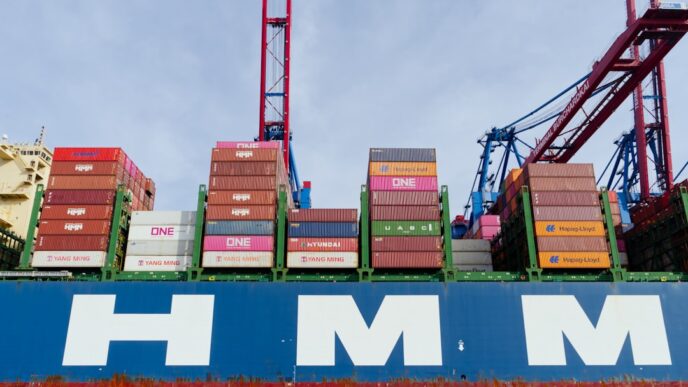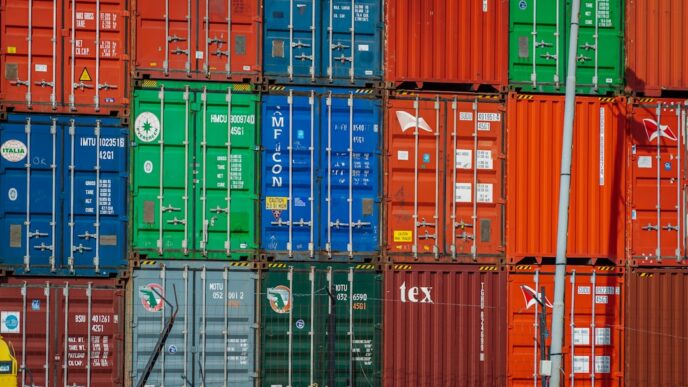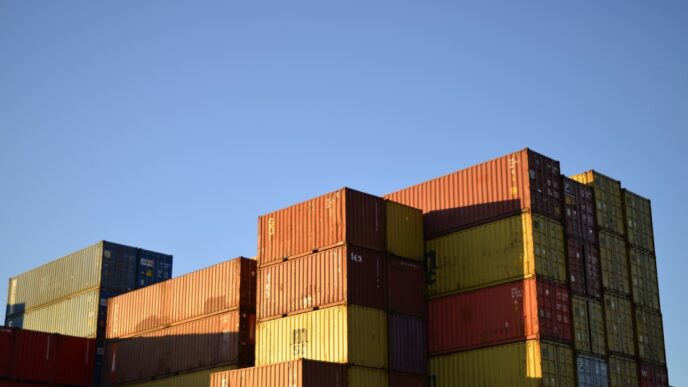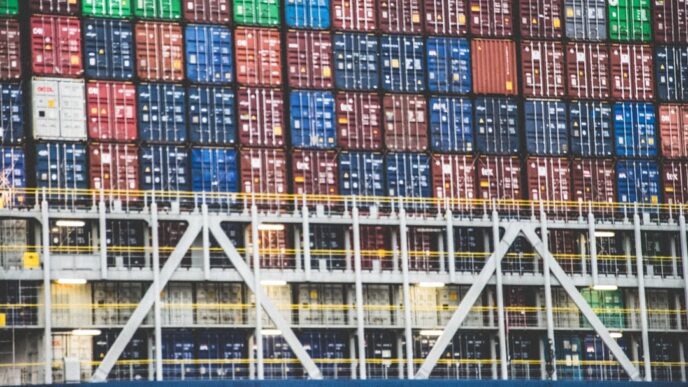

Rising tariffs directly increase the cost of imported goods, leading to higher consumer prices. When a government imposes tariffs, it creates additional costs for companies importing products. These costs are often passed down to consumers in the form of higher prices. For example, if the United States raises tariffs on steel imports, manufacturers relying on foreign steel may raise their prices to maintain profit margins. This chain reaction can make everyday products more expensive, from cars to construction materials.
A clear illustration of this effect occurred during the U.S.-China trade war, which escalated in 2018. Tariffs were imposed on thousands of goods, including electronics and machinery. As a result, companies like Apple faced increased costs for components sourced from China. In response, they raised prices on some products, affecting consumers who ultimately bore the brunt of these tariffs.
The impact of tariffs on consumer prices can lead to inflationary pressures in the economy. When essential goods become more expensive, it reduces consumers’ purchasing power. This situation often results in consumers cutting back on spending, which can slow economic growth. Furthermore, if tariffs remain in place for an extended period, it can create an environment of uncertainty that affects business investments and hiring.
Conversely, there are arguments that tariffs can protect domestic industries and jobs. By making foreign goods more expensive, tariffs encourage consumers to buy domestically produced products. While this might boost certain sectors in the short term, the overall economic effects are more nuanced. Industries that rely on imported components may struggle, leading to potential job losses in those sectors.
International responses to tariffs can also exacerbate the situation. Countries affected by tariffs may retaliate with their own tariffs, leading to a tit-for-tat cycle that drives prices up even further. For instance, after the U.S. imposed tariffs on steel and aluminum, countries like Canada and Mexico responded with their own tariffs on U.S. goods. This escalation can further complicate global trade relationships and raise prices for consumers internationally.
In summary, while tariffs can provide temporary relief to domestic producers, the broader implications often dampen consumer purchasing power and contribute to inflation. Understanding the interplay between tariffs and consumer prices highlights the complexities of international trade and its direct effects on everyday life.