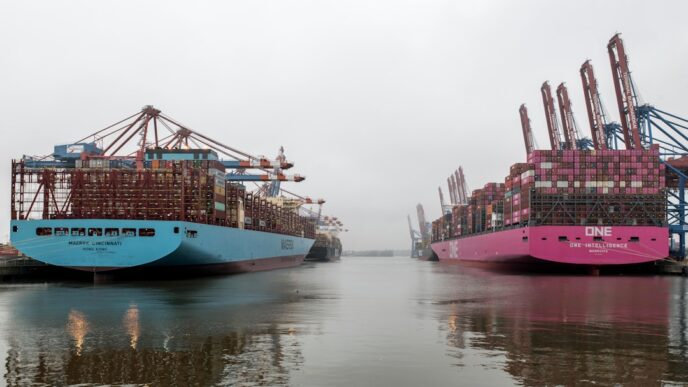
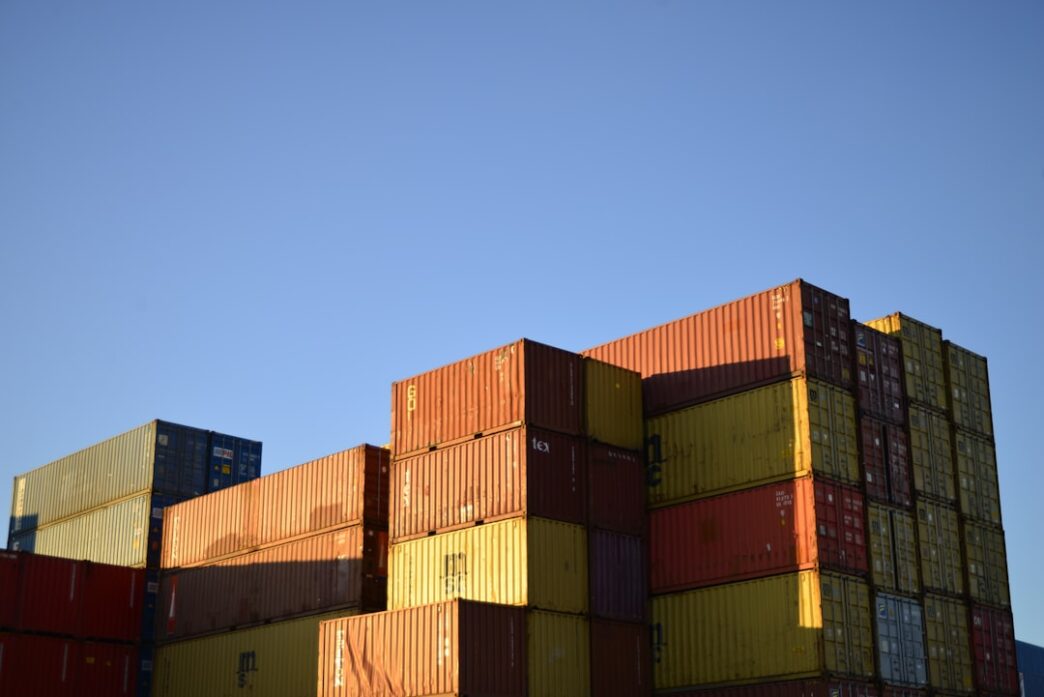
Tariffs are taxes imposed by a government on imported goods, and they generally lead to higher prices for those goods in the domestic market. When a country raises tariffs, it increases the cost of importing products. This added expense is typically passed down to consumers, resulting in higher retail prices. For instance, when the United States imposed tariffs on steel and aluminum in 2018, the price of these materials surged, affecting various industries, from construction to automotive manufacturing.
The rationale behind implementing tariffs often lies in protecting domestic industries. By making imported goods more expensive, domestic producers can compete more effectively. However, the downside is that while it may boost local production in the short term, it can also trigger inflation because consumers will pay more for both imported and locally-produced goods that use imported materials.
Consider the imposition of tariffs on washing machines in the U.S. in 2018. The price of washing machines jumped significantly as manufacturers adjusted to the new cost structure, leading to consumers paying up to 20% more for certain models. This not only affected individual buyers but also businesses that relied on these appliances for their operations.
There’s also the risk of retaliation. Countries affected by tariffs may respond with their own tariffs on exports from the tariff-imposing country, leading to a trade war. The U.S.-China trade tensions are a prime example. Following the U.S. tariffs on various Chinese products, China retaliated with tariffs on American goods, further complicating international trade relationships and inflating prices on both sides.
In summary, raising tariffs tends to increase the prices of imported goods, creating a ripple effect throughout the economy. While it may protect domestic producers initially, the longer-term implications can lead to higher consumer prices and strained trade relations.