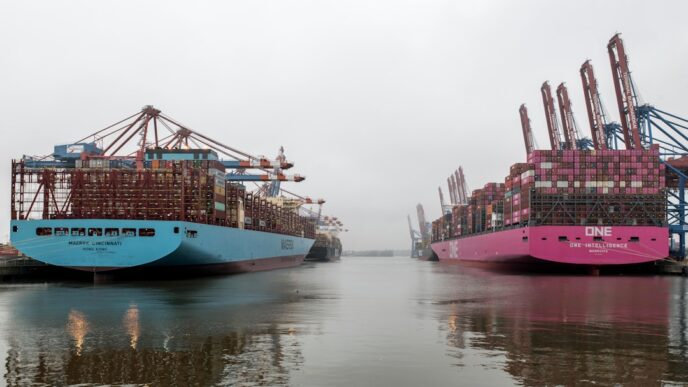

When a country raises tariffs, the immediate effect is an increase in the cost of imported goods. Tariffs act as a tax on imports, which means that businesses must pay more to bring foreign products into the country. As a result, these higher costs typically get passed on to consumers in the form of increased prices. This is especially noticeable in markets where imported goods compete directly with domestic products.
For example, if the United States imposes tariffs on steel imports, U.S. manufacturers who rely on steel for their products, like cars or household appliances, face higher production costs. To maintain profit margins, these manufacturers may raise their prices. Consequently, consumers end up paying more for finished goods that depend on these imported materials.
Moreover, tariffs can disrupt supply chains. Companies that source components from abroad may struggle with increased expenses, leading to a ripple effect throughout the economy. As domestic producers raise their prices to offset additional costs, inflation can rise. This phenomenon was starkly illustrated during the recent trade tensions between the U.S. and China, where tariffs on various goods led to noticeable price increases in consumer electronics and agricultural products.
Here are some key impacts of raising tariffs on consumer prices:
– **Direct Price Increase:** Import costs rise, leading to higher prices for imported goods.
– **Indirect Price Effects:** Domestic producers may increase prices in response to higher production costs.
– **Reduced Competition:** Higher tariffs can lead to less foreign competition, enabling domestic companies to raise prices without the pressure to stay competitive.
– **Consumer Behavior:** As prices rise, consumers may shift their purchasing habits, opting for cheaper alternatives or reducing overall spending.
Ultimately, while tariffs are often implemented with the intention of protecting domestic industries and jobs, they can create a burden on consumers. In many cases, the expected benefits of protecting local businesses can be offset by the increased costs for consumers.
It’s crucial to understand that the effects of tariffs can vary based on the industry and the specific goods involved. For instance, in the case of luxury goods, consumers might be less sensitive to price increases, while essential items, like food and fuel, tend to draw more immediate backlash from consumers when prices go up.
In summary, raising tariffs can lead to a complex interaction of economic effects, often culminating in higher consumer prices. For policymakers, the challenge lies in balancing protective measures for domestic industries with the potential adverse effects on consumer welfare and inflation.