Raising tariffs can have significant effects on a country’s economy, influencing both domestic markets and international relations. When a government increases tariffs on imports, it effectively raises the cost of foreign goods. This can lead to higher prices for consumers and businesses that rely on these imports for raw materials, contributing to inflationary pressures.
One immediate impact is the protection of domestic industries. By making imported goods more expensive, tariffs can encourage consumers to buy locally-produced products instead. For example, when the United States imposed tariffs on steel and aluminum in 2018, it aimed to bolster domestic manufacturing by making foreign metals pricier. This move was intended to protect jobs in these sectors, though it sparked concerns about retaliatory tariffs from other countries.
However, the effects of raising tariffs extend beyond protecting local industries. Higher tariffs can lead to increased costs for manufacturers. For instance, if a car manufacturer relies on imported parts and those parts become more expensive due to tariffs, the overall price of the vehicles can rise. This might reduce sales, ultimately harming the economy more than helping it.
The potential for retaliation is another significant concern. Other countries may respond by imposing their own tariffs on exports, leading to a trade war. A notable example occurred when China retaliated against U.S. tariffs by imposing tariffs on American agricultural products. Farmers who export to China faced reduced demand, negatively impacting their incomes and creating uncertainty in the agricultural sector.
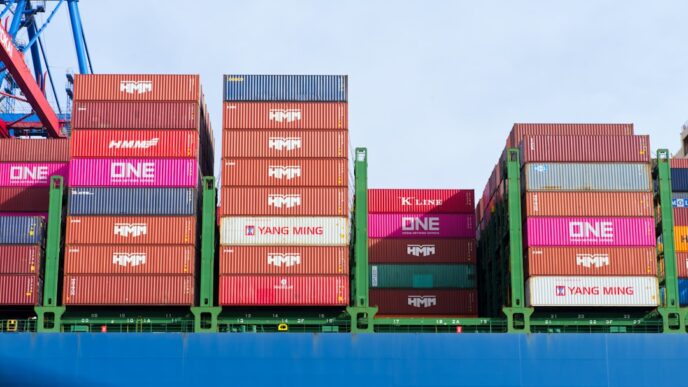
Additionally, raising tariffs can lead to a decline in international trade. Economies are increasingly interconnected, and higher tariffs can disrupt supply chains. Businesses might find it more challenging to source materials from abroad, leading to production delays and increased operational costs. This disruption can slow economic growth, as seen in the U.S. during the trade tensions with China, where GDP growth slowed amid heightened trade barriers.
In the long run, the consequences of raising tariffs can vary. While some industries may benefit in the short term, consumers often face higher prices, and economic growth can stall. Economists generally advise careful consideration of both immediate and longer-term effects before implementing such policies.
In summary, while raising tariffs can protect certain domestic sectors, it can also lead to higher consumer prices, retaliatory actions from trade partners, and disruptions in international trade. The balance between protecting local industries and maintaining a stable economic environment is delicate and requires thorough analysis.