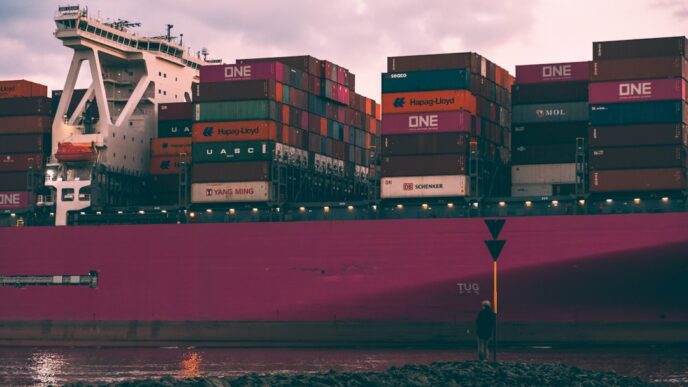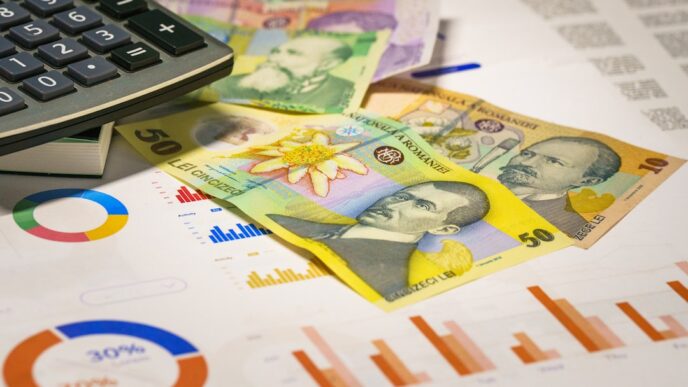
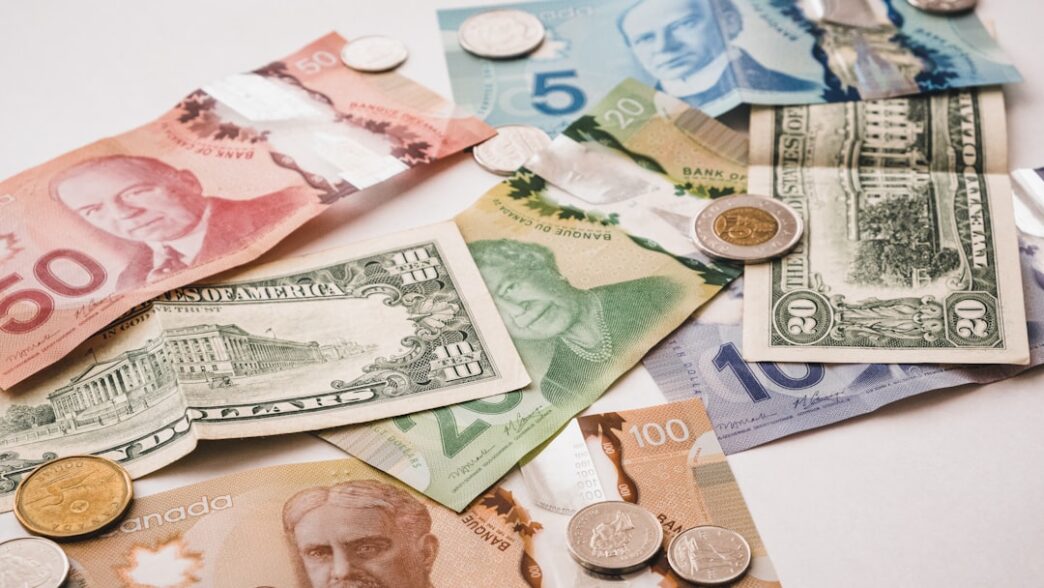
Exchange rates play a crucial role in international trade by determining how much one currency is worth compared to another. When a country’s currency appreciates, it becomes more expensive for foreign buyers to purchase that country’s goods. Conversely, when a currency depreciates, its goods become cheaper for foreign customers. This fluctuation can significantly affect a nation’s trade balance, which is the difference between its exports and imports.
For example, let’s consider the U.S. dollar (USD) in relation to the euro (EUR). If the dollar strengthens against the euro, American products become more expensive for European consumers. This can lead to a decrease in U.S. exports to Europe. On the other hand, European goods become cheaper for American consumers, potentially increasing imports from Europe. The net effect may be a widening trade deficit for the U.S., as it buys more from Europe while selling less.
A key mechanism behind these changes is the concept of purchasing power parity (PPP). When exchange rates reflect the relative prices of goods and services in different countries, they can signal whether a currency is undervalued or overvalued. For instance, if the cost of a basket of goods is significantly higher in one country than another, the currency of the more expensive country may be deemed overvalued. This can prompt adjustments in trade balances over time, influencing how countries interact economically.
Consider the situation in Turkey during 2018 when the Turkish lira plummeted in value against major currencies like the dollar and euro. The depreciation of the lira made Turkish exports cheaper and more competitive abroad, leading to a temporary boost in export volumes. However, imports became more expensive, leading to increased costs for Turkish businesses reliant on foreign goods and creating inflationary pressures domestically.
Changes in exchange rates can also affect investment flows. A weaker currency may deter foreign investment, as investors seek to avoid currency risk, while a stronger currency might attract capital inflows. Countries like Japan have historically maintained a weaker yen to boost exports, while the U.S. dollar’s status as a reserve currency can impact global investment dynamics.
To summarize, the relationship between exchange rates and international trade is complex and multifaceted. Key takeaways include:
– An appreciating currency makes exports more expensive and imports cheaper, often leading to a trade deficit.
– A depreciating currency can enhance export competitiveness but may increase import costs and inflation.
– Currency valuation impacts investment flows, influencing economic stability.
Understanding these dynamics can help businesses and policymakers navigate the global marketplace, making informed decisions in an ever-changing economic landscape.