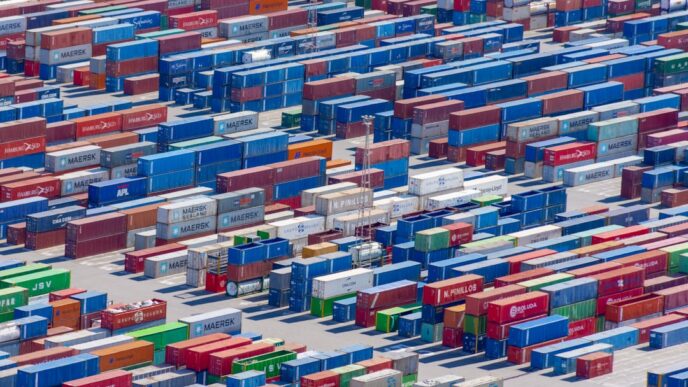

Tariffs can significantly influence consumer prices by increasing the cost of imported goods. When a government imposes tariffs, it essentially places a tax on foreign products. This makes imported items more expensive, which often leads businesses to raise prices on these goods to maintain their profit margins. As a result, consumers end up paying more at the register for everyday items, from electronics to groceries.
For example, consider the tariffs imposed by the United States during the trade tensions with China in 2018. The U.S. government placed tariffs on a wide range of Chinese imports, including electronics, clothing, and machinery. According to the Federal Reserve Bank of New York, these tariffs resulted in a price increase of about 1% on affected goods, which may not seem substantial, but it adds up across a broad range of products.
Here’s how it typically plays out:
– **Increased Costs for Importers:** Importers face higher prices due to tariffs, which often leads them to pass those costs onto consumers.
– **Reduced Competition:** Domestic products may gain a competitive edge, but if they are less efficient or of lower quality than imports, consumers may face limited choices.
– **Inflationary Pressure:** As consumer goods become more expensive, overall inflation can rise, affecting everything from gas prices to household essentials.
Moreover, tariffs can have a domino effect on related industries. For instance, if steel tariffs raise the cost of construction materials, the price of building homes may also increase. This not only makes home ownership more expensive but can also slow down economic growth in the construction sector.
While tariffs are often justified as a way to protect domestic industries from foreign competition, they can lead to unintended consequences. The 2019 Consumer Price Index showed that various sectors affected by tariffs experienced notable price hikes, impacting the average American’s cost of living.
In addition, tariffs can strain international relations. Countries affected by these trade barriers may respond with their own tariffs, creating a tit-for-tat situation that can escalate quickly. This was evident in the trade war between the U.S. and China, which not only affected prices but also global market stability.
Ultimately, while tariffs are a tool for governments to protect local industries, they come with the cost of higher consumer prices. Understanding this relationship helps consumers and policymakers navigate the complex landscape of international trade and its consequences on everyday life.