Raising tariffs can significantly affect a country’s economy by altering trade dynamics, influencing prices, and impacting domestic industries. When a government increases tariffs on imported goods, it essentially raises the cost of these goods, making them more expensive for consumers. This can lead to immediate price increases in the marketplace as businesses pass on the costs to consumers.
For example, when the United States imposed tariffs on steel and aluminum in 2018, it aimed to protect domestic manufacturers from foreign competition. However, this move led to higher prices for a range of products, from canned goods to cars. Companies relying on these metals faced increased production costs, which they often transferred to consumers, thereby raising prices across various sectors.
Beyond immediate price impacts, higher tariffs can cause a ripple effect throughout the economy. Here are some potential consequences:
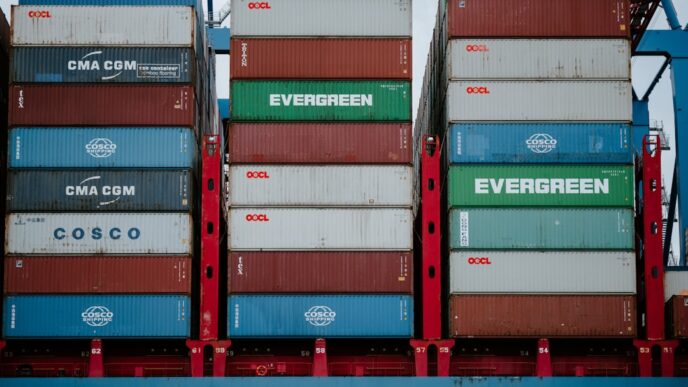
– **Reduced Import Volumes:** Tariffs discourage imports by making them costlier, leading to a decrease in foreign goods entering the market. This can help local producers gain market share but can also lead to shortages of certain products.
– **Retaliation from Other Countries:** Other nations may respond by implementing their own tariffs on goods exported from the country that raised tariffs. For instance, after the U.S. tariffs on steel and aluminum, several countries, including Canada and the EU, retaliated with their own tariffs on American products, affecting industries like agriculture and manufacturing.
– **Impact on Domestic Industries:** While some domestic industries may benefit from reduced foreign competition, others that rely on imported materials can suffer. This can lead to job losses in sectors that cannot compete with higher prices or reduced access to essential components.
– **Economic Growth:** Growth rates can be impacted by raising tariffs. When prices increase and trade slows down, consumer spending may decrease, leading to slower economic growth. In extreme cases, prolonged trade tensions can lead to recessionary pressures, as seen during the trade war between the U.S. and China, where both economies experienced slowdowns.
– **Long-Term Adjustments:** In the long run, economies might adjust to new trade realities by reallocating resources and shifting focus to industries that can thrive despite tariffs. This transition, however, can be painful and may take considerable time, potentially leading to increased unemployment in affected sectors.
Countries often weigh the benefits and drawbacks of tariffs carefully. While they can provide short-term protection to specific industries, they can also lead to unintended consequences that may harm the broader economy. Policymakers must consider both immediate effects and longer-term repercussions before implementing such trade measures.
In a global economy, where interdependencies are rife, the implications of raising tariffs extend beyond national borders, affecting international relations and trade agreements. Understanding these dynamics is crucial for consumers, businesses, and policymakers alike.