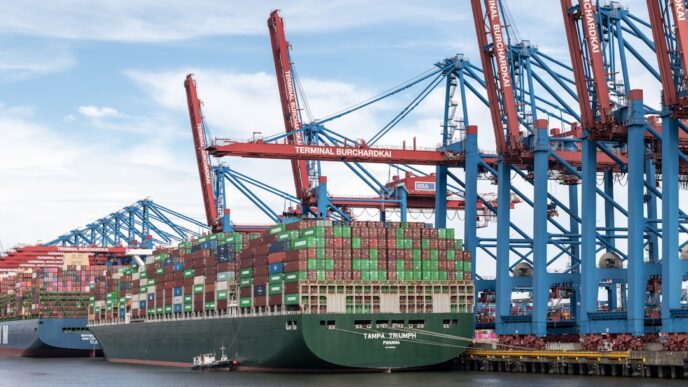
Tariffs, which are taxes imposed on imported goods, have a direct impact on consumer prices and the broader economy. When a country raises tariffs, it effectively makes imported goods more expensive. As a result, domestic consumers face higher prices for those goods, which can contribute to inflationary pressures. For example, when the United States increased tariffs on steel and aluminum in 2018, industries relying on these materials saw increased costs. This often translated to higher prices for products like cars and appliances, ultimately affecting consumers directly at checkout.
Raising tariffs can also lead to a ripple effect across various sectors of the economy. When imported goods become pricier, domestic producers may raise their prices in response, anticipating that consumers will pay more overall. This can lead to inflation, as the cost of living increases due to higher prices for everyday items. A practical illustration of this is seen in the U.S. tariffs on Chinese goods during the trade war. The Consumer Price Index (CPI) rose as tariffs were enacted, indicating that consumers faced higher prices for various products, including electronics and clothing.
Moreover, tariffs can hurt industries that rely on imports for their raw materials. When these industries face higher input costs, they may cut back on production or reduce their workforce, contributing to unemployment and lower economic growth. For instance, the American manufacturing sector expressed concerns that higher tariffs would undermine their competitiveness, leading to potential job losses. This can set off a cycle where higher tariffs reduce consumption and investment, potentially stalling economic recovery.
Additionally, tariffs can provoke retaliation from trading partners, leading to a cycle of escalating trade barriers. For instance, after the U.S. imposed tariffs on steel and aluminum, several countries, including Canada and the European Union, responded with their own tariffs on American goods. This tit-for-tat can harm exporters and further inflate prices, ultimately hurting consumers and the economy at large.
It’s important to consider the longer-term implications of tariffs on economic relationships. While they may provide short-term protection for specific industries, the broader consequences can include strained international relations and disrupted supply chains. For example, businesses that relied on imports may need to find alternative suppliers or pay higher costs, which can affect their pricing strategies and market competitiveness.
In summary, raising tariffs can lead to higher consumer prices and can have far-reaching effects on the economy, including inflation, reduced growth, and strained international trade relationships. The interplay of these factors is complex, but the immediate reality is that consumers often bear the brunt of tariff increases through higher prices, impacting their purchasing power and overall economic well-being.