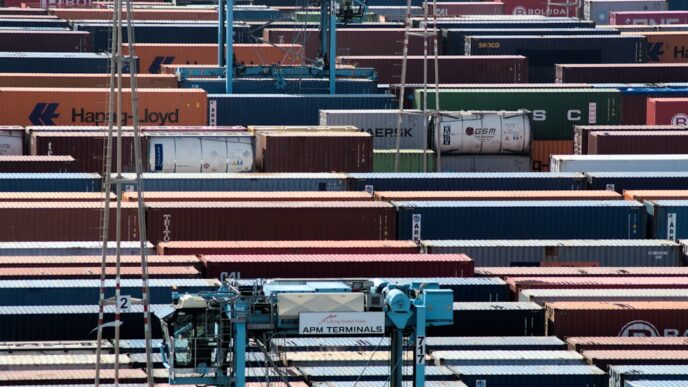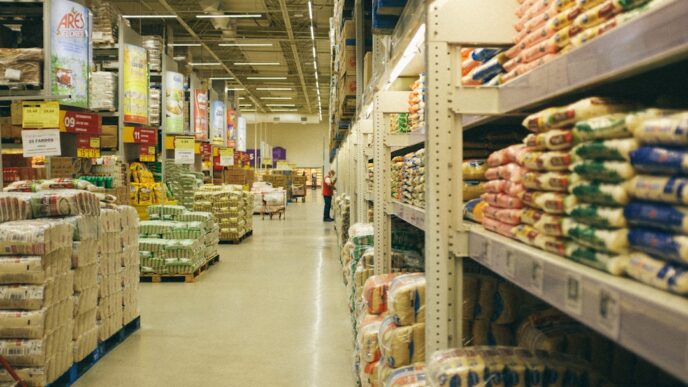
Raising tariffs on imported goods directly impacts domestic and international economies. Tariffs increase the cost of foreign products, making them more expensive for consumers. This can lead to higher prices for goods in the domestic market as importers pass on the increased costs to consumers.
For example, the U.S. imposed tariffs on steel and aluminum imports in 2018. This decision aimed to protect American industries but resulted in increased prices for a range of products, including cars and appliances. In this case, domestic manufacturers benefited from reduced foreign competition, but consumers faced higher prices, highlighting the immediate trade-off between protecting local jobs and maintaining affordable consumer goods.
Higher tariffs can also disrupt international trade relationships. Countries affected by increased tariffs may retaliate with their own tariffs, creating a trade war. A stark example is the U.S.-China trade war, where both nations raised tariffs on each other’s goods, leading to a decline in trade volumes and exacerbating tensions. Such actions can hinder economic growth, create uncertainty, and discourage investment.
While the intention behind raising tariffs often centers on protecting specific industries, it can have broader economic implications. Key effects include:
– **Reduced Competition:** Domestic producers may face less pressure to innovate or improve efficiency when foreign competition is limited.
– **Supply Chain Disruptions:** Many industries rely on global supply chains. Increased costs on imports can affect production costs and timelines.
– **Consumer Behavior Changes:** As prices rise, consumers may shift their purchasing patterns, opting for cheaper alternatives or reducing overall consumption.
Tariff policies can lead to job protection in specific sectors, but they often come at the expense of jobs in export-dependent industries. For instance, the U.S. tariffs on Chinese goods affected American farmers who relied on exporting to China, as retaliation led to decreased demand for their products.
In summary, while raising tariffs can protect certain domestic industries, the overall economic effects can be complex. Price increases for consumers, strained international relations, and potential job losses in other sectors illustrate the nuanced reality of trade policies. The balance between protecting local industries and ensuring affordable consumer goods remains a challenging aspect of economic policy.