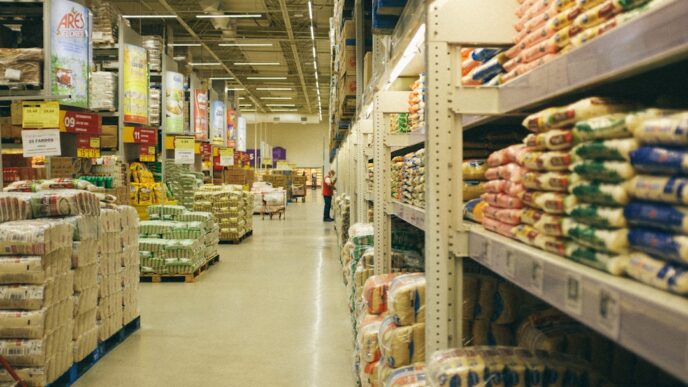
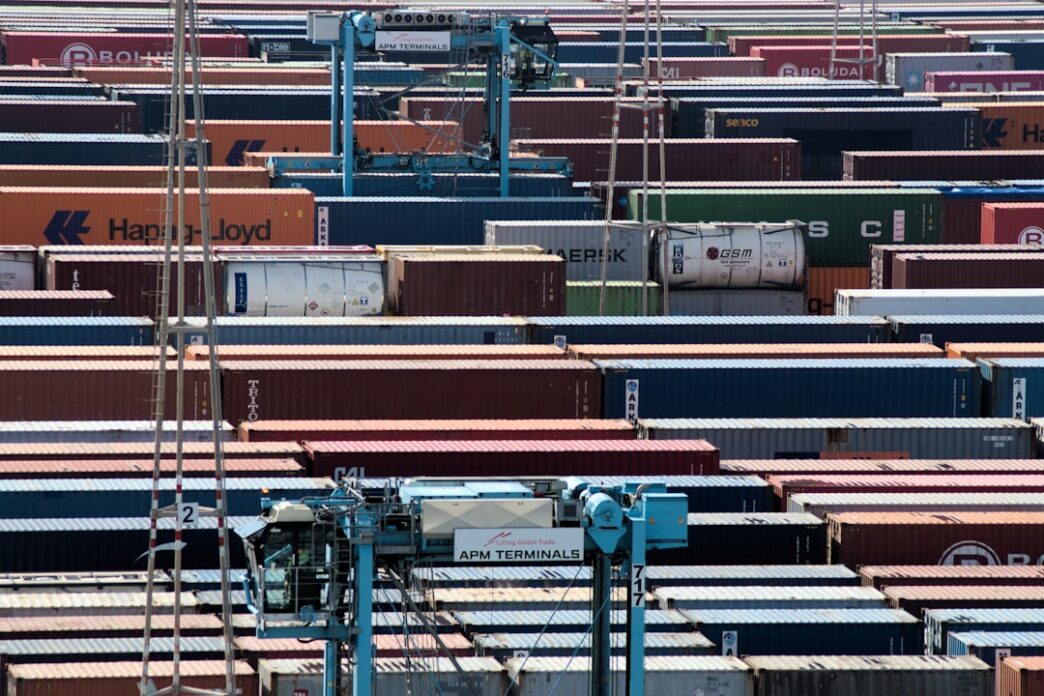
Tariffs, which are taxes imposed on imported goods, significantly impact consumer prices and the broader economy. When a country raises tariffs, the immediate consequence is an increase in the cost of imported goods. This often leads to higher prices for consumers as businesses typically pass on these costs to buyers. For example, if the U.S. increases tariffs on steel imports, domestic manufacturers who rely on imported steel will face higher production costs, which can result in increased prices for products ranging from cars to appliances.
This ripple effect can lead to inflation in specific sectors, particularly those heavily reliant on imported materials. Consumers may see higher prices on a variety of goods, which can reduce their purchasing power. This creates a chain reaction: as consumers pay more, they might cut back on spending, leading to slower economic growth. A notable instance of this occurred during the U.S.-China trade war, where tariffs on various goods led to price increases and affected the overall sentiment in the economy.
Additionally, tariffs can trigger retaliatory measures from trading partners. Countries affected by higher tariffs may impose their own tariffs on exports from the country that initiated the action. This tit-for-tat strategy can escalate trade tensions and disrupt global supply chains. For instance, when the U.S. implemented tariffs on Chinese goods, China responded with tariffs on American agricultural products. Farmers in the U.S. faced reduced sales, leading to significant financial strain in the agricultural sector.
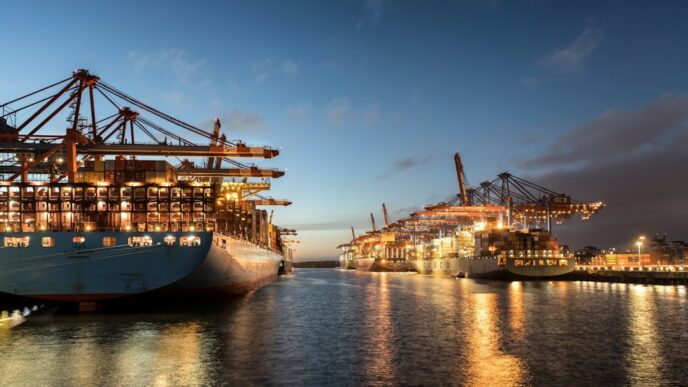
It’s not just consumers and producers who feel the impact of tariffs—entire industries can be affected. Sectors that rely on global supply chains may find themselves in a precarious position. For example, technology companies that source components from multiple countries could face delays and increased costs, ultimately impacting innovation and product availability.
On the flip side, some advocates argue that tariffs can protect domestic industries from foreign competition, allowing local businesses to thrive. This protection can lead to job creation in specific sectors. However, the long-term consequences of raising tariffs are often debated. While certain industries may benefit in the short term, consumers typically bear the brunt of higher prices, and the overall economic growth may suffer as a result.
Politically, the imposition of tariffs can be a tool for negotiating trade deals. Leaders may use tariffs to gain leverage in discussions with other countries. Nonetheless, this can lead to a cycle of escalation that ultimately harms consumers and global economic stability. The complexities of tariffs highlight the balancing act between protecting domestic interests and maintaining healthy international trade relationships.
Understanding the implications of tariffs is crucial for both consumers and businesses alike. Prices may rise, markets may react unpredictably, and the global economy can be affected in ways that resonate far beyond the initial policy decision.