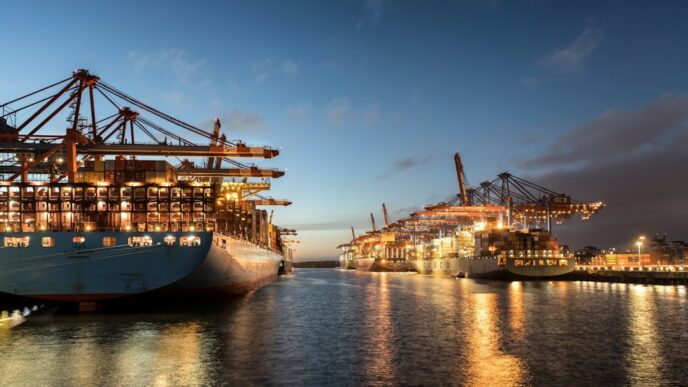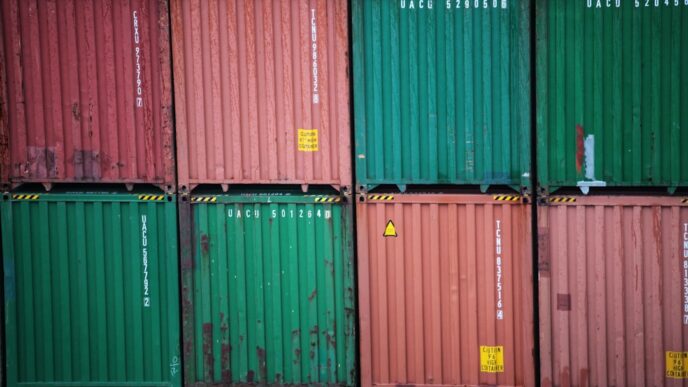

When a country raises tariffs, the immediate effect is typically an increase in the cost of imported goods. Businesses that rely on foreign products often pass these additional costs onto consumers. For example, if a country imposes a 25% tariff on steel imports, manufacturers using steel will face higher production costs. This can lead to increased prices for cars, appliances, and even construction materials, as companies strive to maintain their profit margins.
In essence, tariffs act as a tax on imports. When these costs rise, consumers can expect to see price hikes on goods that rely heavily on imported materials. The overall inflation rate may also increase, as the higher costs from tariffs ripple through the economy. In 2018, the United States imposed tariffs on various goods from China, which led to noticeable price increases on everyday items such as electronics and household goods. According to research from the Federal Reserve, these tariffs contributed to a measurable rise in inflation, affecting consumers at checkout.
Beyond immediate price impacts, tariffs can have broader repercussions on the economy. They can disrupt supply chains, leading to inefficiencies and higher production costs. Companies may seek to source materials domestically to avoid tariffs, which can lead to both positive and negative outcomes. On one hand, local industries might grow as a result of reduced foreign competition; on the other, consumers could face fewer choices and higher prices.
Tariffs can also affect international relations. For instance, retaliatory tariffs from other countries can escalate into trade wars, which often result in broader economic consequences. The ongoing trade tensions between the U.S. and China serve as a pertinent example, highlighting how tariffs can lead to a cycle of retaliation that further harms businesses and consumers on both sides.
To summarize, when a country raises tariffs, consumers often face higher prices, while the economy may experience disruptions and inflationary pressure. The interplay of these factors can lead to long-term changes in both market dynamics and international trade relations. Understanding these implications is crucial for consumers and policymakers alike.