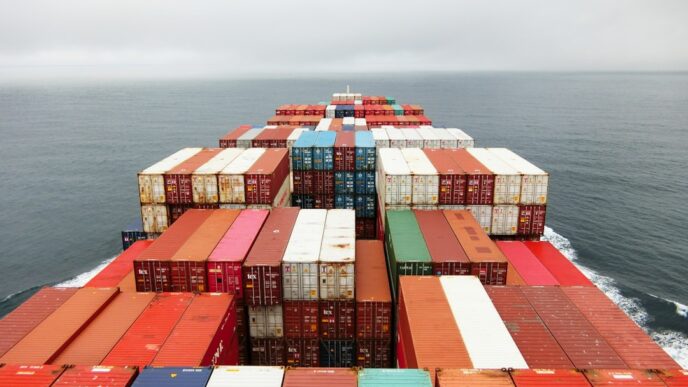
Raising tariffs can have significant economic impacts, both domestically and internationally. When a country imposes higher tariffs on imported goods, it effectively raises the cost of those goods for consumers and businesses. This can lead to several outcomes, including increased prices for consumers, a potential rise in inflation, and altered trade relationships.
One immediate effect of increased tariffs is the cost increase for imported goods. For example, when the United States raised tariffs on steel and aluminum in 2018, the price of these materials rose, affecting industries that rely on them, such as construction and manufacturing. As a result, companies faced higher production costs, which they often passed on to consumers in the form of higher prices. This can lead to inflationary pressures within the economy, as the overall price level of goods and services rises.
Additionally, raising tariffs can create friction with trading partners. Countries affected by these tariffs may retaliate by imposing their own tariffs on exports from the imposing country. This tit-for-tat approach can escalate into a trade war, which can further disrupt global supply chains and lead to economic uncertainty. A prime example is the ongoing trade tensions between the U.S. and China, where both nations have exchanged tariffs on a wide array of products, impacting businesses and consumers in both economies.
Importantly, while tariffs aim to protect domestic industries from foreign competition, they can also lead to inefficiencies. Domestic producers may not have the same competitive pressures to innovate or improve their products if they are shielded from international competition. This can lead to stagnation within certain sectors, ultimately harming the economy in the long run.
Moreover, consumers bear the brunt of tariff increases. Higher prices for goods due to tariffs mean that household budgets can be stretched thinner, leading to decreased consumer spending. This decreased consumption can, in turn, slow economic growth. For instance, if the price of imported electronics rises due to tariffs, consumers may delay purchases, affecting the revenue of retailers and manufacturers.
There are also broader implications for the global economy. As countries raise tariffs, trade volumes can decrease, leading to slower global economic growth. For instance, during the U.S.-China trade war, global trade growth slowed significantly, impacting economies worldwide, from Germany to Brazil.
In summary, raising tariffs can create a ripple effect through the economy, impacting prices, consumer behavior, international relations, and even global economic growth. While the intention behind tariffs may be to protect domestic industries, the consequences can be complex and far-reaching, often resulting in higher costs for consumers and strained international relationships.