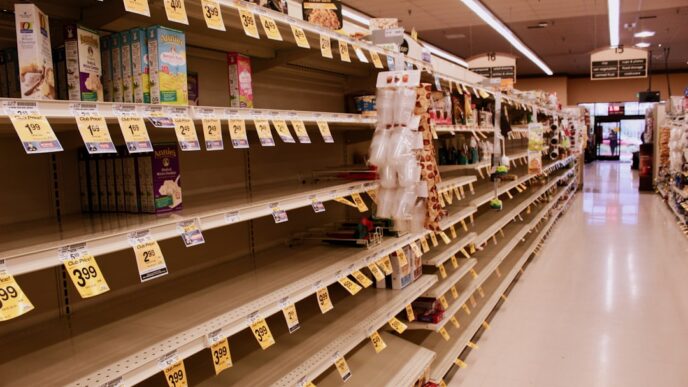
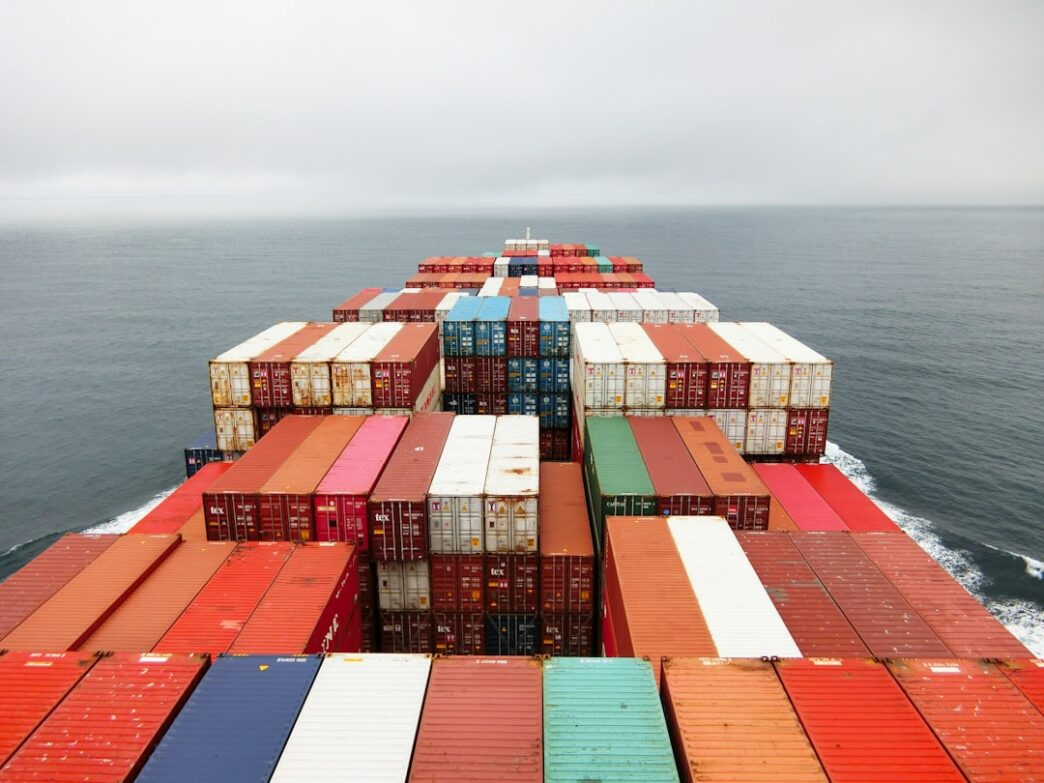
Tariffs, which are taxes imposed on imported goods, have a direct effect on consumer prices and the overall economy. When a country raises tariffs, the immediate result is often an increase in the cost of imported goods. Importers, facing higher expenses due to tariffs, typically pass these costs onto consumers. For example, if the United States imposes tariffs on steel imports, domestic manufacturers using steel may raise their prices to maintain profit margins. This can lead to higher prices for a wide range of products, from cars to appliances, ultimately impacting consumers’ purchasing power.
Higher prices due to tariffs can also stifle consumption. When consumers face increased costs, they may reduce spending or seek alternatives, which can slow economic growth. A notable instance of this occurred during the trade tensions between the U.S. and China in 2018, when both countries implemented tariffs on various goods. Reports indicated that American businesses and consumers paid billions more for goods, leading to a decrease in domestic demand for certain products.
On a broader scale, tariffs can distort market dynamics. While they aim to protect domestic industries by making foreign goods less competitive, they can also lead to retaliation from trading partners. This retaliation can escalate into trade wars, further complicating international trade relationships and affecting global supply chains. For example, after the U.S. imposed tariffs on Chinese imports, China responded with its own tariffs on U.S. products, affecting American farmers, manufacturers, and consumers.
Additionally, the long-term effects of tariffs can be more complex. While intended to bolster domestic production, they can lead to inefficiencies. Industries protected by tariffs may lack incentives to innovate or reduce costs, resulting in slower growth and higher prices over time. In the case of the U.S. steel industry, tariffs may provide short-term relief but could ultimately hinder competitiveness in the global market.
Several factors influence the overall impact of tariffs on the economy and consumer prices:
– **Elasticity of demand:** If the demand for the imported goods is elastic, consumers may significantly reduce their purchases if prices rise, leading to a more pronounced economic impact.
– **Availability of substitutes:** If consumers can easily find alternative products, the impact of tariffs may be minimized.
– **Economic context:** During periods of economic downturn, the effects of tariffs may be felt more acutely as consumers are already facing financial pressures.
In summary, while tariffs are often positioned as a means to protect domestic industries and jobs, their implications can be far-reaching. They can lead to higher consumer prices, reduced consumption, and potential trade conflicts, which may ultimately harm the economy. As seen in recent U.S.-China trade relations, the broader consequences of tariff policies can significantly affect global trade dynamics and economic stability.