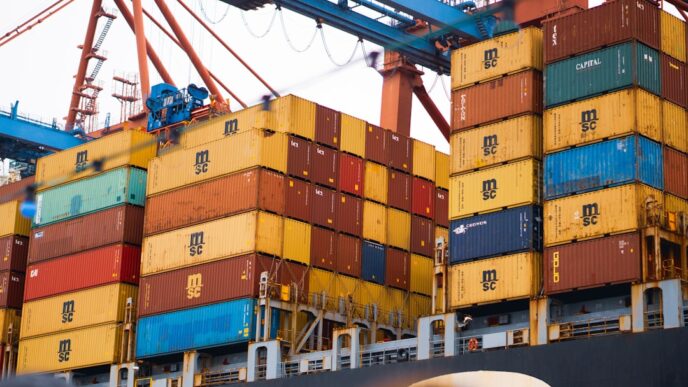

Raising tariffs typically leads to an increase in consumer prices. When a government imposes tariffs on imported goods, it effectively raises the cost of those goods in the domestic market. Businesses faced with higher import costs often pass these expenses onto consumers, resulting in higher retail prices. This price hike can trigger inflation, making everyday items more expensive for consumers.
For example, when the United States raised tariffs on various goods from China during the trade tensions in 2018, many household products saw significant price increases. Items such as electronics, clothing, and even food products became more expensive as companies adjusted their pricing strategies to maintain profit margins. This not only affects consumers’ wallets but can also dampen overall consumer spending, creating a ripple effect throughout the economy.
At the same time, raising tariffs can lead to broader economic consequences. Industries that rely on imported materials or components might face increased production costs, which can lead to reduced output and potentially job losses. In sectors where competition is already tight, such as manufacturing, increased costs can drive companies to cut costs elsewhere, often resulting in layoffs or reduced wages.
The situation can also trigger retaliation from trading partners. Countries affected by the tariffs may impose their own tariffs on goods exported from the imposing country. This reciprocal action can escalate into a trade war, further complicating the economic landscape.
Here are a few key points to consider regarding the impact of raised tariffs:
– **Price Increase:** Tariffs raise the costs of imported goods, which often results in higher prices for consumers.
– **Inflation Risk:** Sustained price increases can lead to inflation, eroding purchasing power.
– **Economic Growth:** Increased production costs can stifle economic growth and lead to job losses in affected industries.
– **Global Relations:** Retaliatory tariffs can strain international relationships and disrupt global supply chains.
Real-world examples illustrate these concepts. The ongoing trade war between the U.S. and China has been a significant case study. Tariffs imposed on billions of dollars’ worth of goods affected multiple sectors, including agriculture, technology, and consumer goods. Farmers in the U.S. faced reduced export markets, while technology companies contended with increased costs for components, which ultimately affected consumers.
In summary, raising tariffs can lead to higher consumer prices and can have far-reaching implications for both the economy and international relations. The immediate effect often feels manageable, but the long-term consequences can create more significant challenges for consumers and businesses alike.