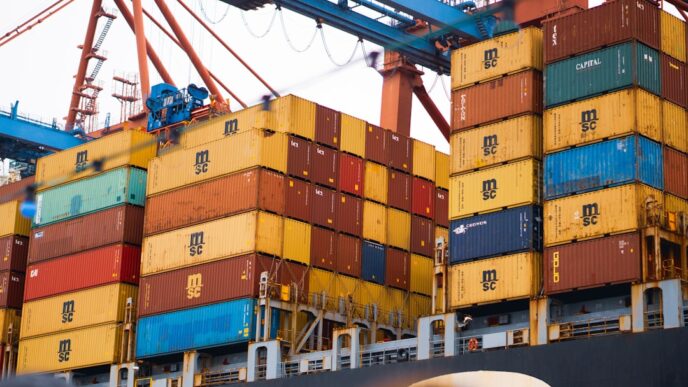

Tariffs increase the cost of imported goods, which directly impacts domestic prices. When a country imposes tariffs, it raises the price of foreign products to make them less competitive compared to local goods. As a result, consumers may end up paying more for imported items, and domestic producers might raise their prices, knowing they have less foreign competition. This price increase can lead to inflationary pressures within the country.
For example, when the United States implemented tariffs on steel and aluminum in 2018, the prices of these metals surged. American manufacturers that relied on these materials faced higher production costs, leading them to either absorb those costs or pass them onto consumers. This ultimately resulted in higher prices for various goods, including automobiles and construction materials.
The effects of tariffs also extend beyond just price increases. They can disrupt market competition. When tariffs are high, domestic companies might feel less pressure to innovate or improve their products, as they face less competition from international markets. This can lead to a stagnation in quality and a lack of variety in products available to consumers.
Another factor to consider is the retaliation from other countries. When one nation raises tariffs, affected countries often respond in kind, leading to a trade war. This escalation can significantly affect industries and economies globally, as seen during the U.S.-China trade tensions. Both countries imposed tariffs on each other’s goods, leading to increased prices for consumers and uncertainty for businesses that rely on international trade.
It’s also worth noting that the impact of tariffs can vary by industry. Some sectors may benefit in the short term from reduced foreign competition, while others that rely on imported materials may suffer. For example, the agricultural sector in the U.S. faced significant challenges when China retaliated against U.S. tariffs by imposing tariffs on American soybeans and pork. Farmers experienced decreased demand and lower prices for their products, illustrating how tariffs can create ripple effects throughout the economy.
In summary, tariffs can significantly influence domestic prices and market competition. They raise costs for consumers, can lead to inflation, and alter the landscape of competition among domestic and foreign producers. Understanding these dynamics is crucial for businesses and consumers alike, as they navigate the complexities of a globalized economy.