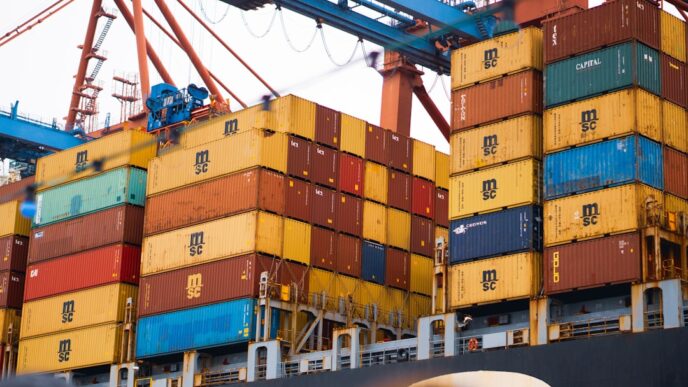

Tariffs, which are essentially taxes imposed on imported goods, can significantly affect consumer prices and the broader economy. When a government raises tariffs, the immediate consequence is often an increase in the cost of imported goods. Manufacturers who rely on foreign materials may face higher production costs, which can lead to increased prices for consumers.
For example, in 2018, the United States imposed tariffs on a variety of goods from China, including steel and aluminum. As a result, American manufacturers encountered higher prices for these essential inputs, prompting many to raise their product prices. Consumers saw this reflected in the prices of everyday products, from appliances to vehicles.
Additionally, tariffs can lead to inflationary pressures. The higher prices for imported goods don’t just affect the direct items impacted by the tariffs; they can also create a ripple effect throughout the economy. Businesses may pass on their increased costs to consumers, leading to a general rise in prices. As a result, the purchasing power of consumers diminishes, which can slow down economic growth if wages don’t keep pace with rising costs.
However, the impact of tariffs is not uniform across the economy. Here are a few key points to consider:
– **Domestic Production**: Tariffs can provide a short-term boost to local industries by reducing competition from foreign imports. This can lead to job creation in certain sectors, but it might also mean that consumers have fewer choices and are paying more for domestically produced goods.
– **Trade Wars**: When one country raises tariffs, others may retaliate by imposing their own tariffs. This can escalate into a trade war, harming businesses that rely on global supply chains and potentially leading to job losses in export-driven sectors.
– **Consumer Behavior**: Higher prices can shift consumer behavior. If tariffs significantly increase the price of a preferred brand or product, consumers may look for cheaper alternatives, which can impact market dynamics.
– **Economic Growth**: If tariffs lead to persistent inflation, central banks might respond by raising interest rates to keep inflation in check. Higher interest rates can dampen consumer spending and business investment, leading to slower economic growth.
Countries like Canada and the European Union responded to the U.S. tariffs on their products with their own tariffs on American goods, affecting various sectors including agriculture and manufacturing. This back-and-forth can create uncertainty in international trade and impact global economic relations.
In summary, while tariffs can help protect domestic industries, they also carry significant risks, including higher consumer prices, inflation, and potential retaliation from trading partners. Understanding these dynamics is crucial for grasping how trade policy can influence the economy on a broader scale.