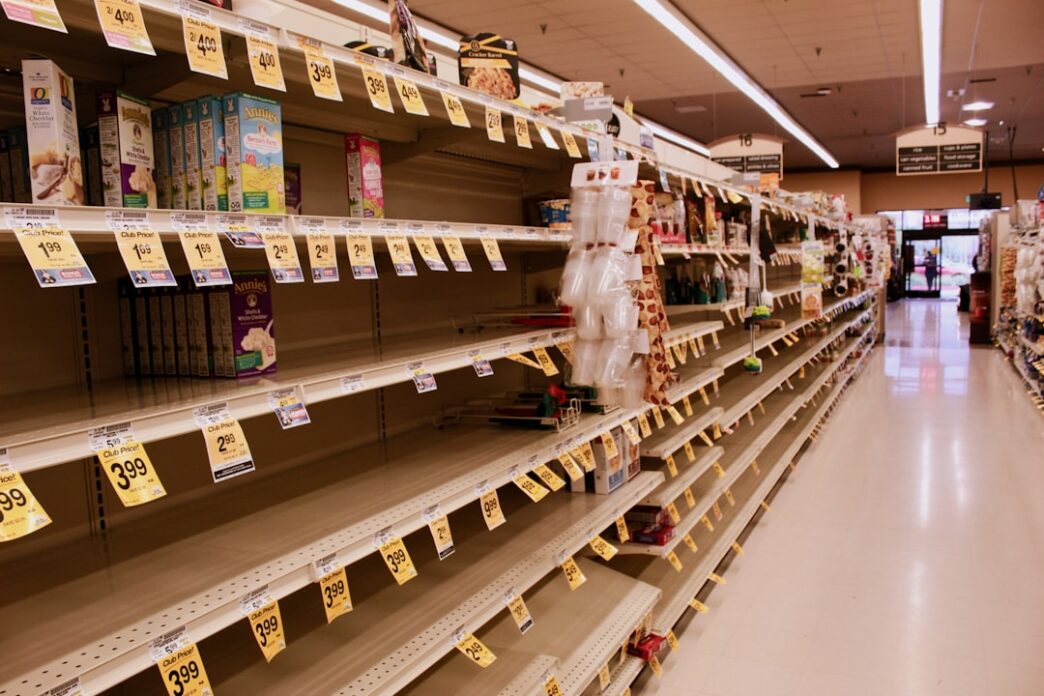
When a country raises tariffs, it directly impacts consumer prices by increasing the cost of imported goods. Tariffs are taxes on imported products aimed at protecting domestic industries from foreign competition. As a result, companies that rely on these imported goods face higher costs, which they typically pass on to consumers. This can lead to inflationary pressures, as the prices of everyday items such as electronics, clothing, and food rise.
For example, after the United States imposed tariffs on Chinese goods in 2018, various sectors experienced price increases. The cost of washing machines shot up by nearly 20%, and consumer electronics also saw significant price hikes. As companies adjusted their pricing strategies in response to the tariffs, consumers felt the pinch at checkout.
Beyond immediate price increases, higher tariffs can create broader economic consequences. Domestic industries that compete with imported goods might find temporary relief from foreign competition, potentially leading to job preservation in those sectors. However, this protectionism can also stifle innovation and efficiency. When companies feel shielded from international competition, there’s less incentive to improve product quality or lower prices.
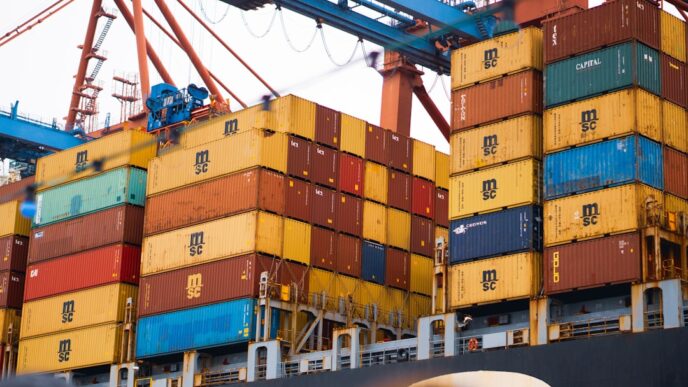
The economic complexity deepens when considering the global supply chain. Many products are made from components sourced worldwide. Increased tariffs can disrupt these supply chains, leading to production delays and higher operational costs. For instance, the automotive industry uses parts from various countries to assemble vehicles. Tariffs on steel and aluminum can raise the cost of manufacturing, which may ultimately result in higher prices for consumers.
Furthermore, the retaliatory nature of tariffs can escalate into trade wars, further complicating the economic landscape. Countries affected by new tariffs may impose their own tariffs in response, affecting exports. The agricultural sector in the U.S. faced significant challenges when China retaliated with tariffs on American soybeans, leading to a decline in prices and economic strain for farmers.
In summary, raising tariffs can have a domino effect on consumer prices, domestic industries, and international relations. While the goal may be to protect local jobs and industries, the unintended consequences often ripple through the economy, affecting both consumers and businesses. Understanding these dynamics is essential for comprehending the broader implications of trade policies in today’s interconnected world.