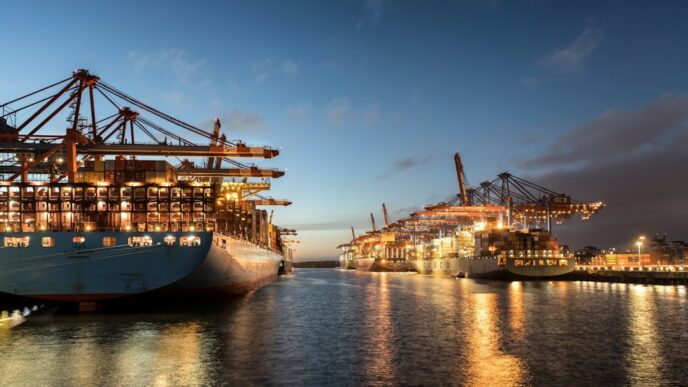

When a country raises tariffs, it directly influences the economy by increasing the cost of imported goods. This often leads to higher prices for consumers, as businesses may pass on these costs. For example, when the United States imposed tariffs on steel and aluminum imports in 2018, many manufacturers faced increased costs, leading to higher prices for products such as automobiles and construction materials.
The immediate effect is that domestic producers might benefit from reduced competition. However, this advantage can be short-lived. Companies relying on imported components may struggle with higher costs, which can lead to reduced production or layoffs. Tariffs can also provoke retaliatory measures from other countries, which may impose their own tariffs on exports from the tariff-raising country. This cycle can escalate into a trade war, further disrupting global supply chains and reducing overall economic growth.
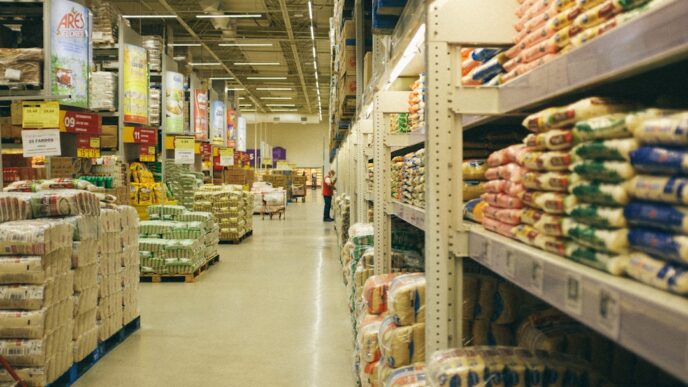
Another critical aspect is the impact on inflation. As tariffs increase the cost of goods, consumers may find themselves paying more for everyday items. This situation can lead to a rise in the Consumer Price Index (CPI), which measures inflation. For instance, following the aforementioned steel and aluminum tariffs, industries dependent on these materials reported increased costs, contributing to a broader inflationary trend in the U.S. economy.
In addition to inflation, tariffs can also disrupt international relationships. Countries that face tariffs may seek alternative trading partners, leading to shifts in global trade dynamics. For example, after the U.S. imposed tariffs on Chinese goods, China sought to strengthen trade agreements with other nations, like those in the European Union and Southeast Asia, in an effort to mitigate the impact of U.S. tariffs.
– **Consumer Impact:** Higher prices for goods
– **Domestic Producer Effect:** Short-term benefits may lead to long-term losses
– **Retaliation:** Possible trade wars and disrupted relationships
– **Inflation:** Increased costs contributing to rising CPI
Widespread implications can extend to various sectors. Agricultural tariffs can affect farmers, as their products become less competitive abroad, leading to potential revenue loss. Meanwhile, technology firms relying on global supply chains may experience delays and increased costs, affecting innovation and product availability.
While the goal of raising tariffs often centers around protecting domestic industries, the complex web of consequences can sometimes counteract the intended benefits. Balancing protectionism with free trade is a challenging task, requiring careful consideration of both immediate effects and long-term economic strategies.