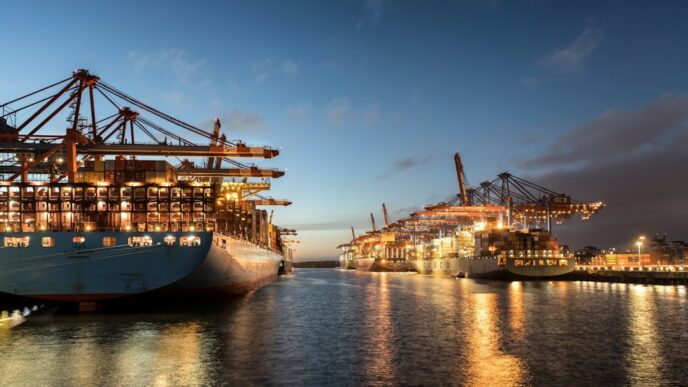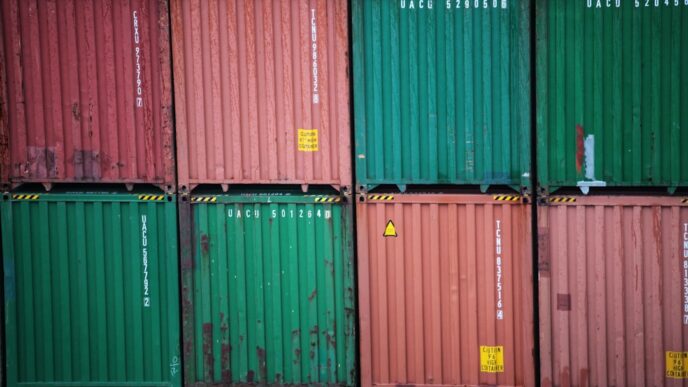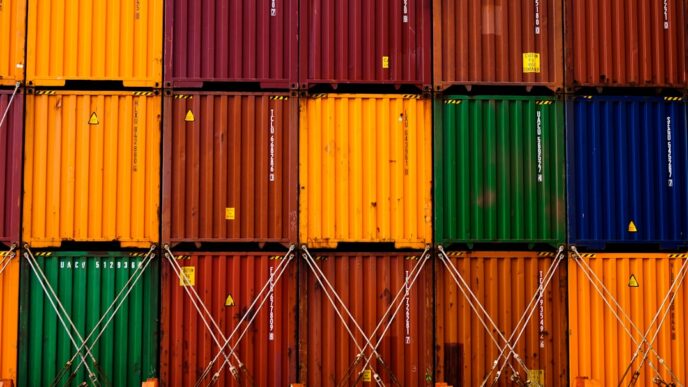

When a country raises tariffs on imported goods, consumer prices typically go up. This happens because tariffs are essentially taxes on imports, leading to increased costs for businesses that rely on foreign goods. When these companies face higher import costs, they often pass those costs onto consumers by raising prices. For example, if the U.S. imposes tariffs on steel from abroad, American manufacturers who need steel might charge more for their products, resulting in higher prices at the store.
The impact can vary significantly based on the goods affected and the overall market dynamics. If a specific product, like electronics or clothing, has a substantial tariff, consumers might see noticeable increases in prices. For instance, during the U.S.-China trade war, tariffs on electronics led to higher prices for popular items such as smartphones and laptops. These price hikes reflect not only the direct costs of tariffs but also the adjustments businesses make to maintain their profit margins.
Here are some specific ways tariffs impact consumer prices:
– **Direct Cost Increase:** Goods subject to tariffs become more expensive because importers add the tariff cost to their prices.
– **Supply Chain Adjustments:** Companies may shift their supply chains in response to tariffs, which can lead to further inefficiencies and increased costs.
– **Market Competition:** In cases where domestic producers cannot meet demand for certain products, consumers may have no choice but to pay higher prices for imported goods.
While tariffs can protect domestic industries from foreign competition, they often lead to trade retaliation. For instance, when the U.S. raised tariffs on steel and aluminum, other countries responded with their own tariffs on American products, which can lead to a cycle of price increases on both sides. This retaliation can inflate prices for consumers and disrupt the flow of international trade.
Additionally, the long-term effects of tariffs can result in inflation. As prices rise due to increased costs of goods, the overall price level in the economy can increase, leading to a reduction in purchasing power for consumers. This inflation effect is compounded when tariffs are applied across a wide range of products, affecting everyday items like groceries and household goods.
Economic institutions such as the International Monetary Fund (IMF) and the World Bank often advise against the widespread use of tariffs, citing their potential to stifle economic growth and lead to increased prices for consumers. They argue that while protective measures may benefit certain industries in the short term, the overall economic impact tends to be negative, leading to inefficiencies and increased costs for consumers.
In summary, raising tariffs generally leads to higher consumer prices due to increased import costs, adjustments in supply chains, and potential market competition challenges. The broader implications often include inflationary pressures that can affect an entire economy, making it essential for policymakers to weigh the pros and cons of tariff implementation carefully.