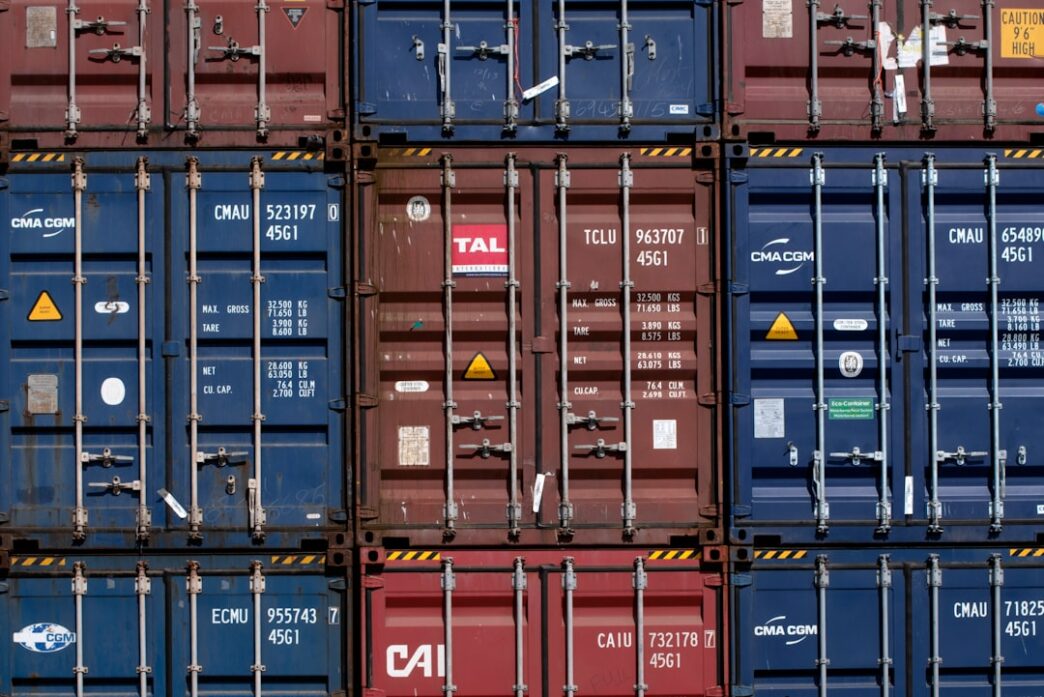
Raising tariffs typically leads to an increase in consumer prices. When a government imposes higher tariffs on imported goods, it becomes more expensive for businesses to source those goods. Companies often pass these increased costs on to consumers, which results in higher prices at the checkout.
For instance, let’s take the case of the U.S.-China trade tensions that escalated in 2018. The U.S. imposed tariffs on a wide range of Chinese products, from electronics to clothing. As a result, many American manufacturers faced higher input costs. To maintain their profit margins, these companies raised prices for consumers. According to a study from the Federal Reserve Bank of New York, the tariffs raised prices for U.S. households by an average of $831 annually.
Beyond immediate price increases, high tariffs can lead to broader economic consequences. They disrupt supply chains and can create inefficiencies in production. Businesses may need to find alternative suppliers or shift operations, which can slow economic growth. In sectors heavily reliant on imported materials, such as manufacturing, this can lead to decreased output and potentially job losses.
Here are a few key points to consider regarding the impact of raised tariffs:
– **Increased Prices:** Consumers end up paying more for goods that rely on imported components or materials.
– **Reduced Choices:** Higher tariffs can limit the diversity of products available in the market, as some foreign goods may become too expensive to import.
– **Economic Retaliation:** Countries affected by tariffs may retaliate with their own tariffs, leading to a trade war that further escalates costs and affects global trade.
Not only do tariffs affect consumer prices directly, but they can also have ripple effects throughout the economy. For instance, small businesses and lower-income families often feel the burden of rising costs more acutely, as they have less flexibility in their budgets.
To illustrate, consider the steel tariffs imposed by the Trump administration in 2018. While meant to protect U.S. steel manufacturers, these tariffs led to higher prices for a range of products, including cars and appliances. The automotive industry, in particular, raised prices due to increased steel costs, which ultimately impacted consumers looking to buy new vehicles.
In summary, raising tariffs can significantly impact consumer prices and the overall economy. The immediate effect is often higher costs for goods, which can strain household budgets. The longer-term implications can include economic inefficiencies, reduced market competition, and potential retaliatory actions from trading partners, all of which can complicate the economic landscape further. Understanding these dynamics is crucial for consumers and businesses alike as they navigate the complexities of international trade and its effects on everyday life.