
Tariffs significantly influence a country’s economy by altering the cost of imported goods. When a government imposes tariffs, it raises the price of foreign products. This can lead to several immediate effects, such as increased costs for consumers and businesses that rely on imported materials. Higher prices on imports often result in reduced consumption, as consumers may seek cheaper domestic alternatives or forgo purchases altogether.
For instance, when the United States introduced tariffs on steel and aluminum in 2018, the intention was to protect domestic industries. While the domestic manufacturers benefitted from reduced competition, prices for steel and aluminum rose. This increase fed into various sectors, including automobile manufacturing and construction, leading to higher costs for consumers and businesses. The ripple effect demonstrated how tariffs can inadvertently affect not just the intended targets but also broader economic activity.
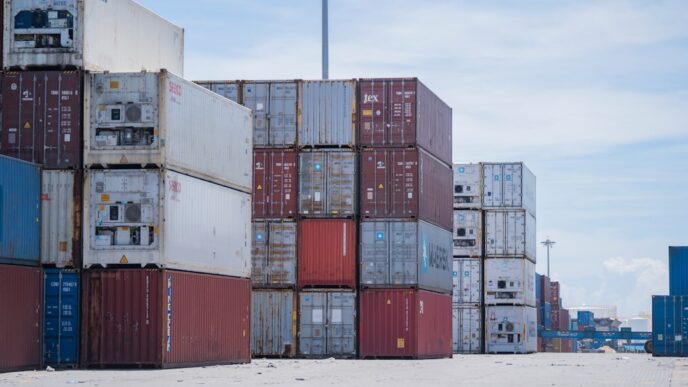
Another impact of tariffs is their role in trade relations. Tariffs can spark retaliatory measures from other countries, resulting in trade wars. This was evident during the U.S.-China trade tensions, where both nations imposed tariffs on each other’s goods in a bid to protect their own markets. As a consequence, trade volumes between the two countries decreased, and global supply chains were disrupted. Such conflicts can lead to uncertainty in international markets, affecting investment decisions and overall economic stability.
In addition to price fluctuations, tariffs can also influence job markets. Protective tariffs may lead to job creation in specific industries by shielding them from foreign competition. However, this can come at the expense of jobs in sectors that rely on imported goods. For example, higher tariffs on imported components may protect assembly jobs in one industry while increasing costs for manufacturers, potentially leading to layoffs elsewhere.
Overall, the ramifications of tariffs extend beyond immediate price changes. They can reshape economic relationships and impact various sectors, illustrating the interconnectedness of global trade. Policymakers must weigh the benefits of protecting domestic industries against the potential negative outcomes for consumers and the broader economy. By considering both short-term and long-term effects, a more balanced approach to trade policy can be achieved.